

The easiest way to choose a daily watch is to stop searching for the watch that does everything. A useful everyday watch only has to survive your normal week, fit without negotiation and make you want to put it on again tomorrow. The five-minute test below replaces a long specification wishlist with five questions: fit, environment, movement routine, bracelet or strap, and visual identity. The opening image is OMEGA's official Aqua Terra 30 mm campaign photograph; it sets the compact daily-watch context but is not evidence for every example in the guide.
The 30-Second Answer
Minute One: Judge The Whole Case
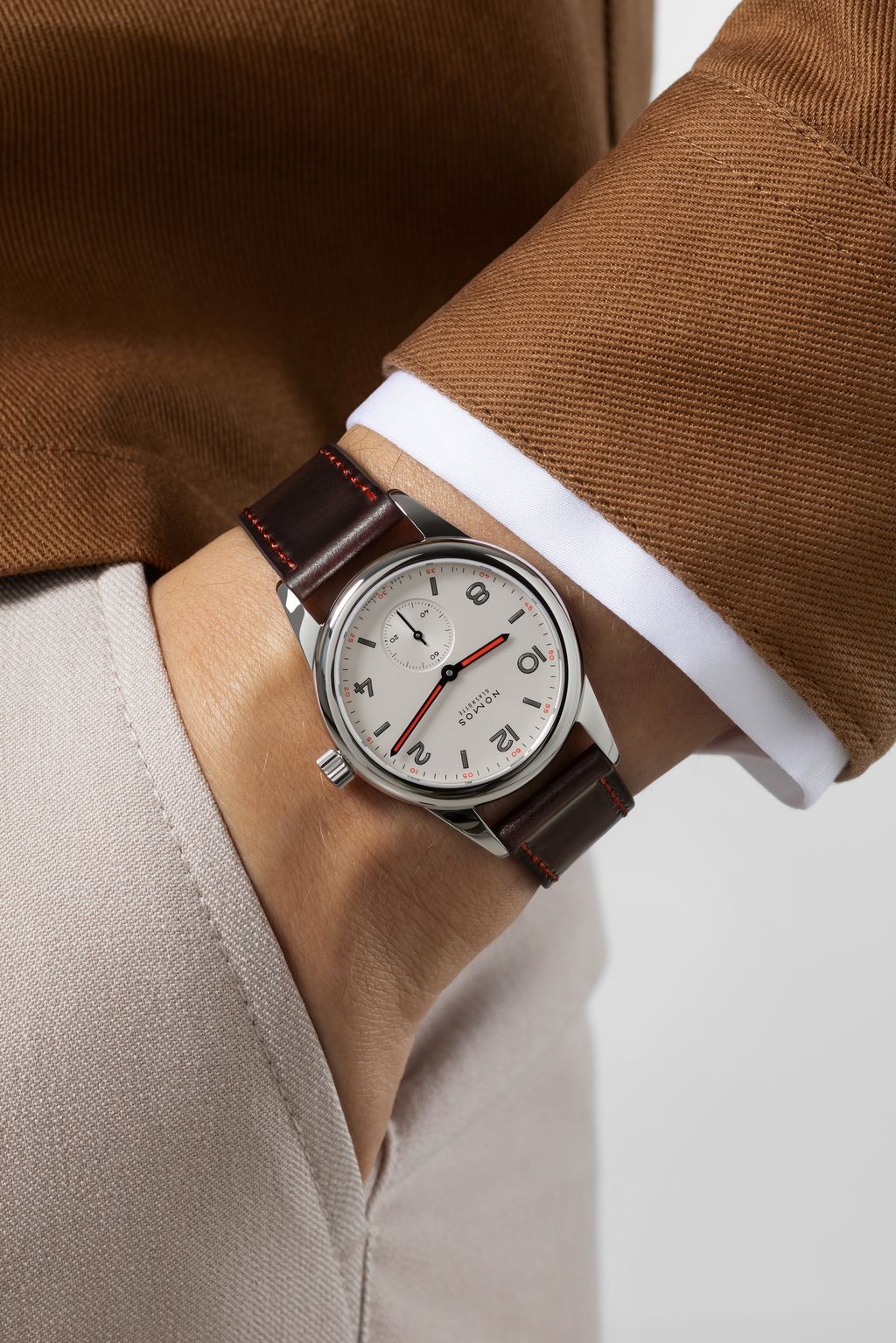
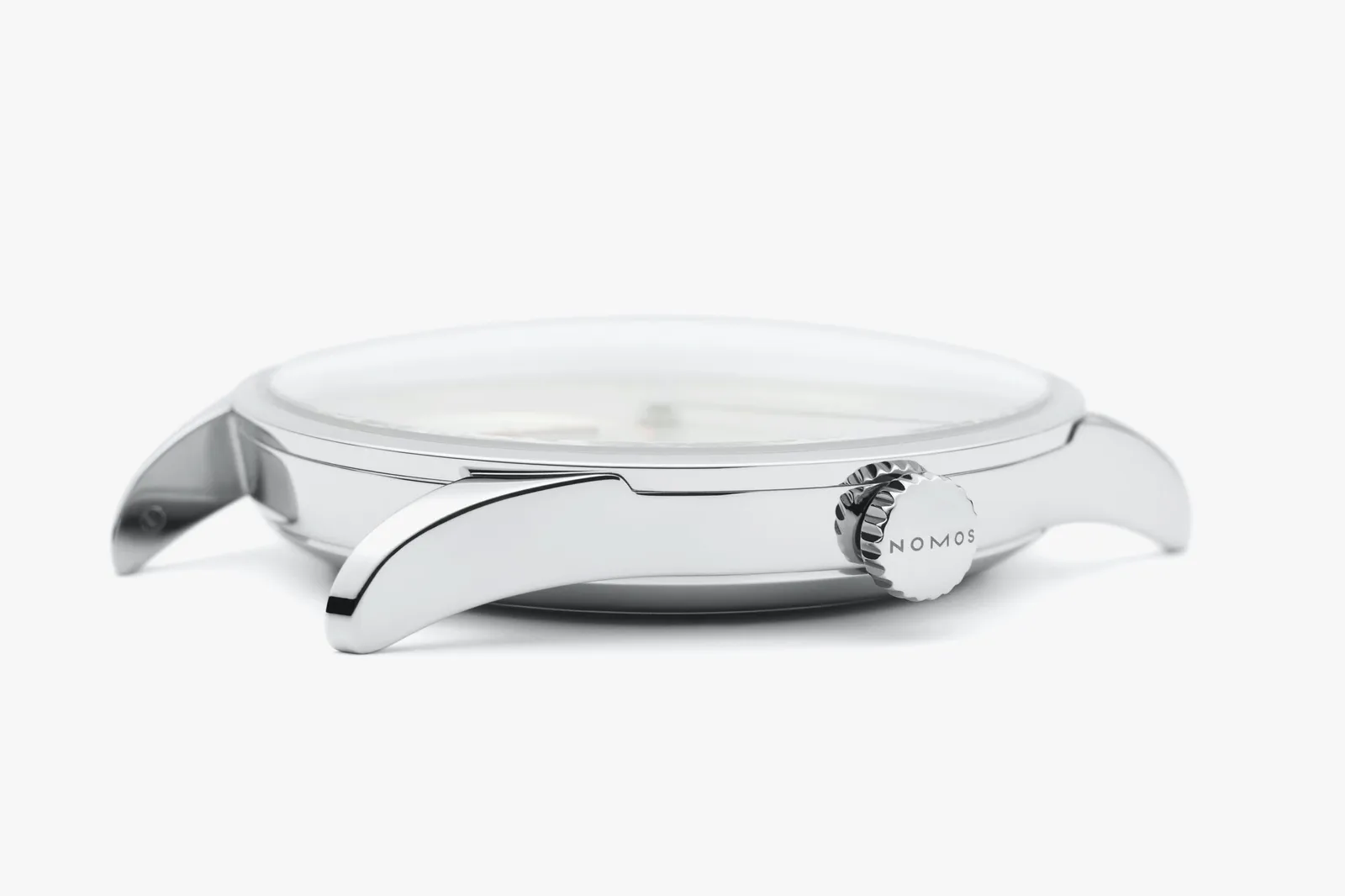
Diameter is useful, but it is not fit. Lug-to-lug length determines how far the watch travels across the wrist; thickness decides whether it catches a cuff; case shape and strap angle decide whether the watch hugs or perches. A 38.5 mm NOMOS Club Campus 38 ref. 737 is officially listed at 46.7 mm lug-to-lug and 8.5 mm thick. Those three numbers describe its likely presence more honestly than diameter alone.
Look straight down: the lugs should not visibly overhang. Turn the wrist sideways: the case should not balance on its centre while the strap drops vertically. Then flex the wrist. If the crown digs in or the case shifts sharply, the watch is asking for tolerance before ownership has even begun.
Minute Two: Buy For Your Wettest Normal Day
Water resistance is not a league table. Define the most demanding routine event you actually expect: hand washing, rain, swimming, boating or repeated water activity. Then choose a watch whose maker explicitly supports that use.
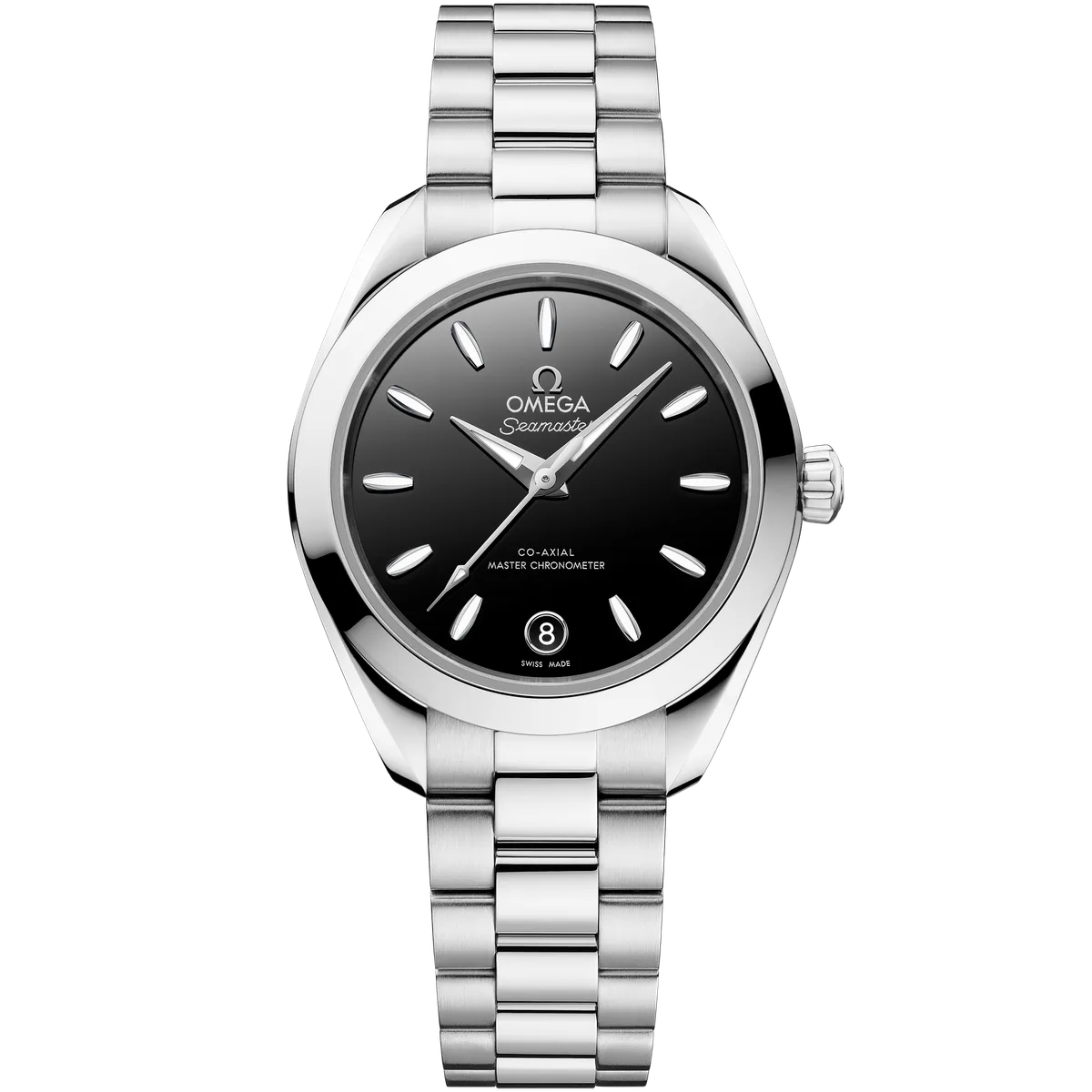
The black-dial OMEGA Seamaster Aqua Terra 30 mm ref. 220.10.30.20.01.001 gives this section one exact model rather than a list of unrelated examples. It belongs to OMEGA's Aqua Terra 150M family, yet the buying rule remains personal: confirm the maker's current operating guidance and choose enough water capability to remove daily hesitation without buying size or equipment you will not use.
Minute Three: Choose The Routine, Then The Movement
Mechanical, solar and quartz watches create different ownership rhythms. An automatic watch makes sense when regular wear and mechanical interaction are part of the pleasure. A hand-wound watch adds a deliberate ritual. Solar or conventional quartz can be the stronger daily tool when grab-and-go readiness matters more than seeing a mechanical calibre at work.
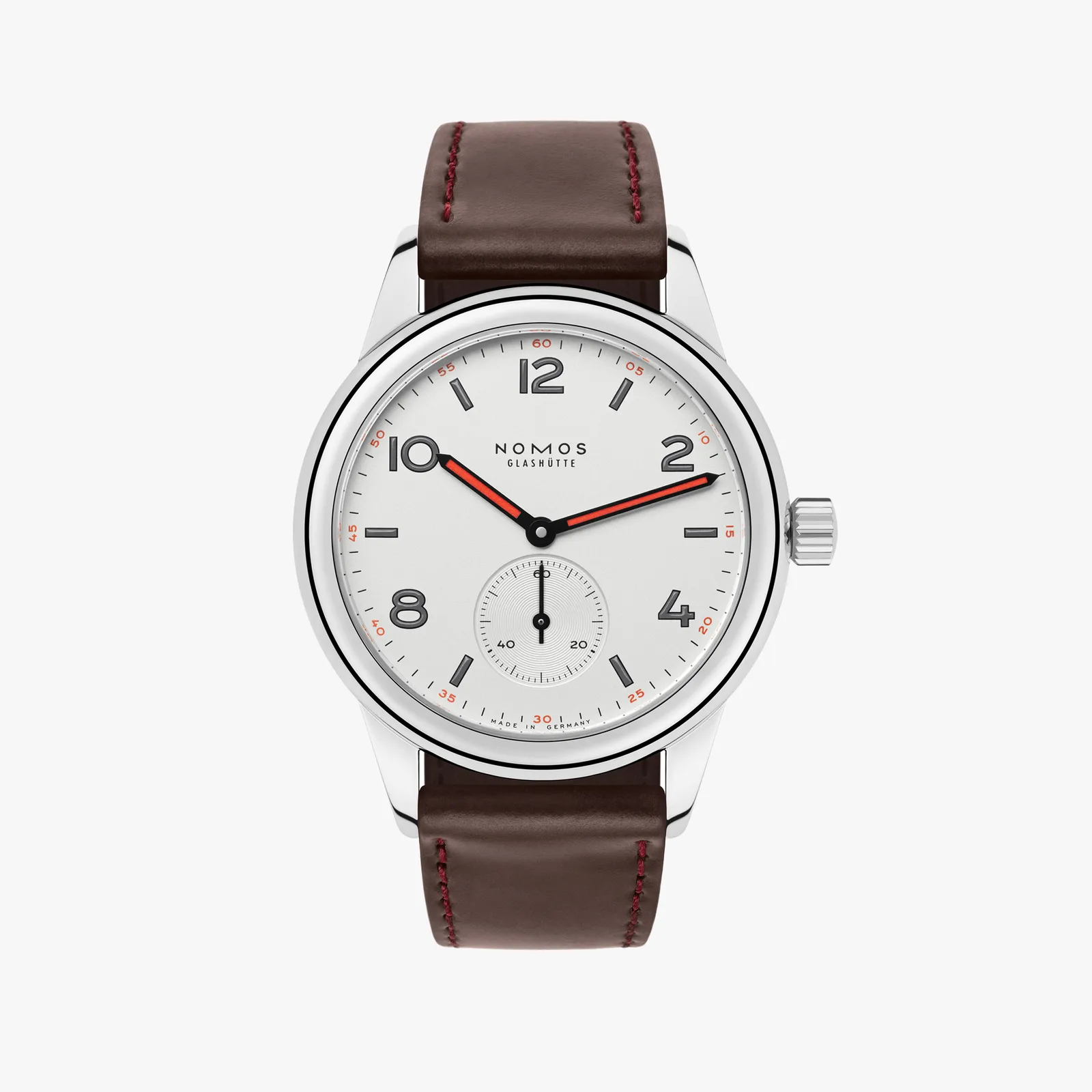
NOMOS Club Campus 38 ref. 737 makes the routine question concrete. Its DUW 4001 is hand-wound and officially rated for up to 53 hours of power reserve. That is not universally better than an automatic or quartz alternative. It is better only if winding the watch is an interaction you want to repeat. Ask what happens after three days off the wrist: will restarting the watch feel satisfying or annoying?
Minute Four: Treat The Bracelet As A Component
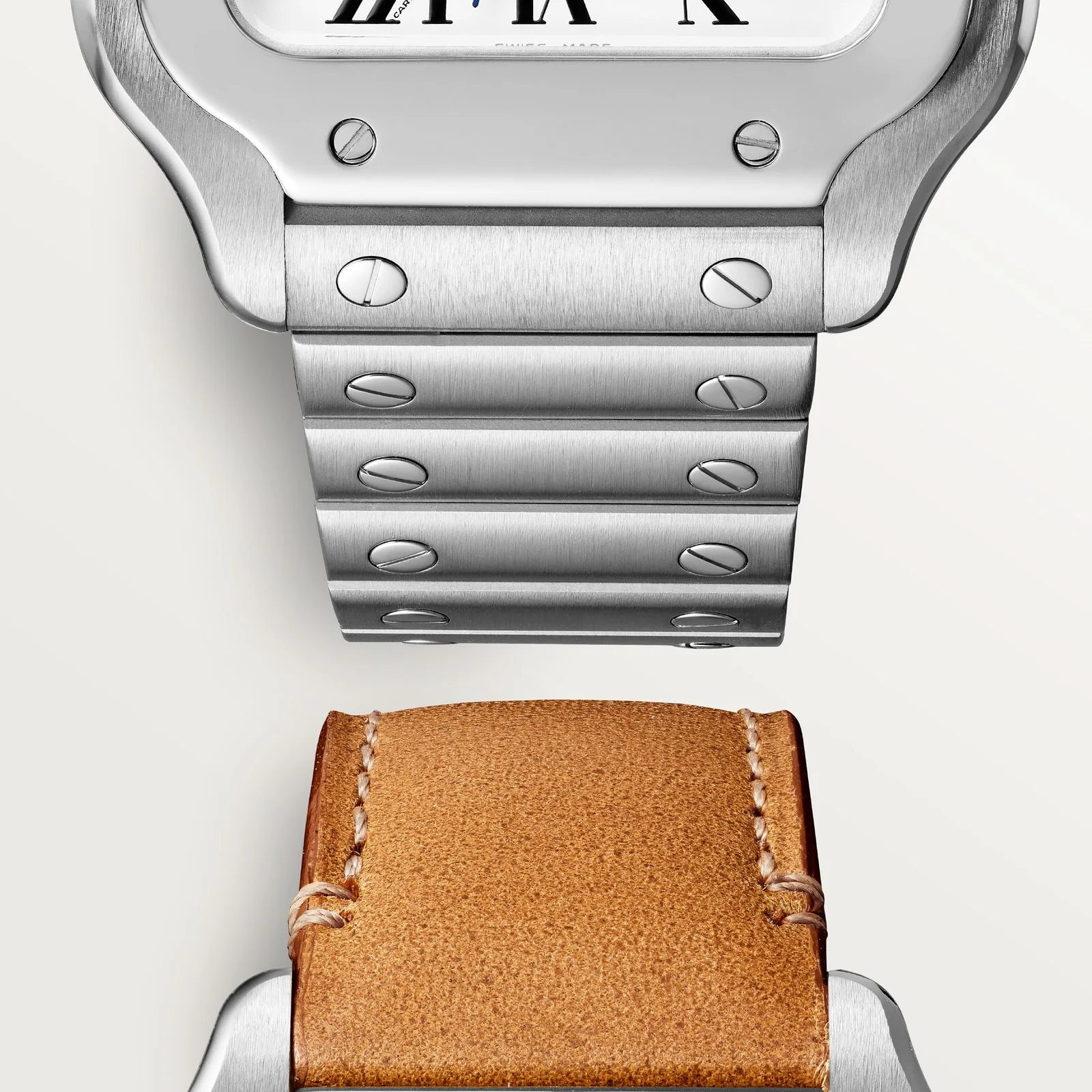
A daily watch is worn through heat, travel, long desk sessions and changing wrist size. Bracelet articulation, clasp length, available adjustment and the first link can determine comfort more decisively than movement decoration. Systems such as the QuickSwitch bracelet and leather strap supplied with the Cartier Santos de Cartier Medium WSSA0029 also change how many roles one watch can cover.
Try the watch with the wrist relaxed and slightly swollen, not only in a cool boutique. Check whether the clasp creates one hard pressure point. If buying remotely, ask for the fitted circumference, removable-link arrangement and whether fine adjustment exists. These are ownership facts, not minor accessories.
Minute Five: Pass The Ordinary-Tuesday Test
The final question is emotional but not vague: would you choose this watch on an ordinary Tuesday when there is nobody to impress? A successful daily watch has enough identity to remain interesting and enough restraint to survive repetition. That balance can come from colour, typography, case finishing or proportion; it does not require neutrality.
The Santos de Cartier Medium WSSA0029 is a useful identity test because it is not anonymous: the square case, Roman numerals, blue hands and exposed bezel screws are visible choices. The question is not whether those details are iconic. It is whether you still want them when the day is ordinary and the watch is serving you rather than performing for a room.

Three Buying Mistakes To Avoid
- Shopping by category before lifestyle: “diver”, “pilot” and “dress” are design families, not instructions for your week.
- Optimising every specification: the thickest crystal, longest reserve and deepest rating can produce a watch that is technically impressive but physically wrong.
- Ignoring service and adjustment: confirm local service access, warranty terms and bracelet sizing before purchase; do not assume every retailer or region offers the same support.
The Watch That Disappears Until You Look At It
The strongest daily watch is not the one with the fewest compromises. It is the one whose compromises match your life so closely that you stop noticing them.

Loading comments...