
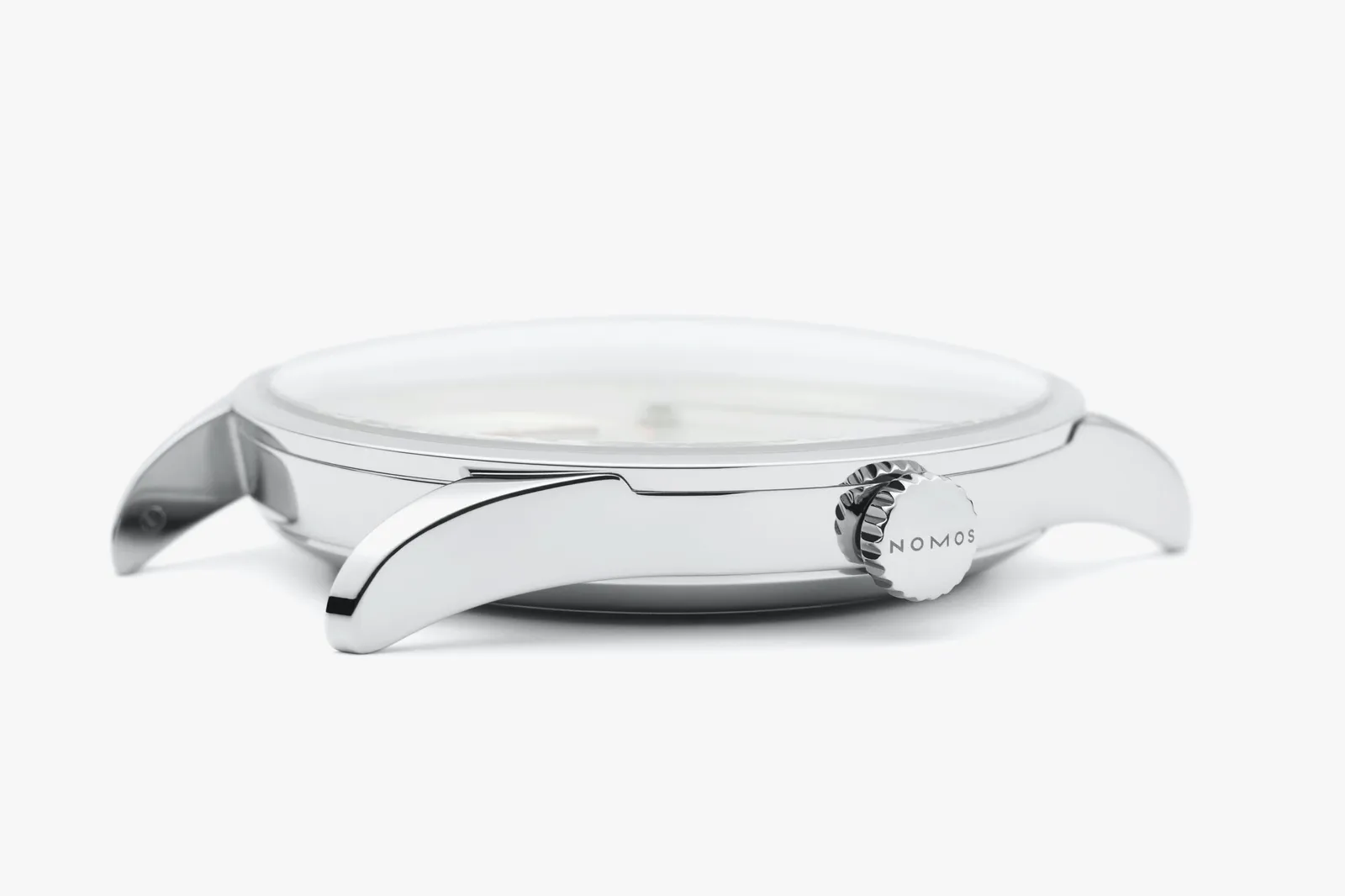
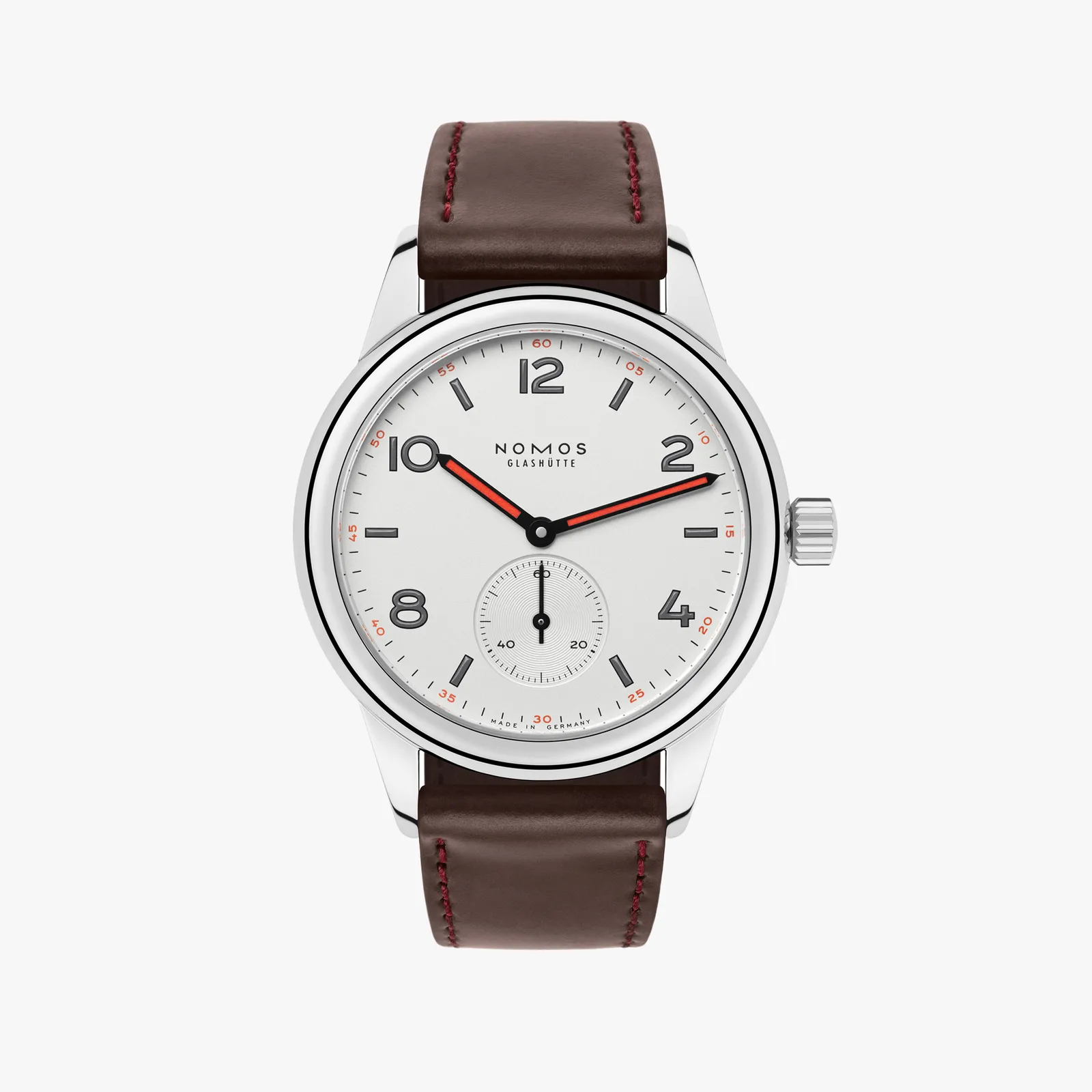
Online watch buying begins with photographs, but not every photograph answers a buying question. A clean front view can make the dial easy to judge while hiding the case height, lug reach and the way a strap leaves the case. A dramatic wrist shot can sell mood while giving you no reliable sense of scale.
The useful skill is not spotting whether an image is attractive. It is deciding what each image proves, what it merely suggests, and what is still missing.
Start With The View The Brand Did Not Lead With
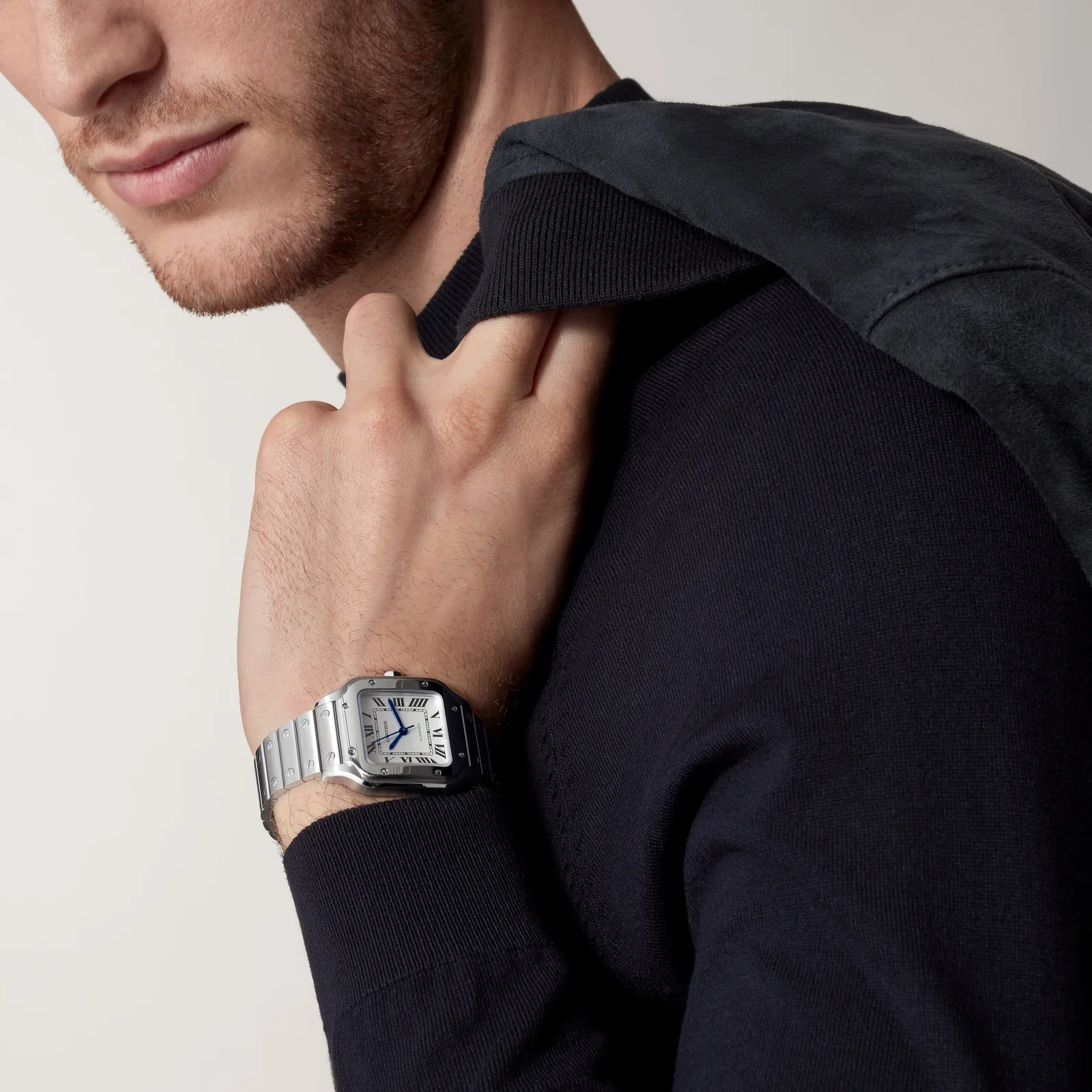
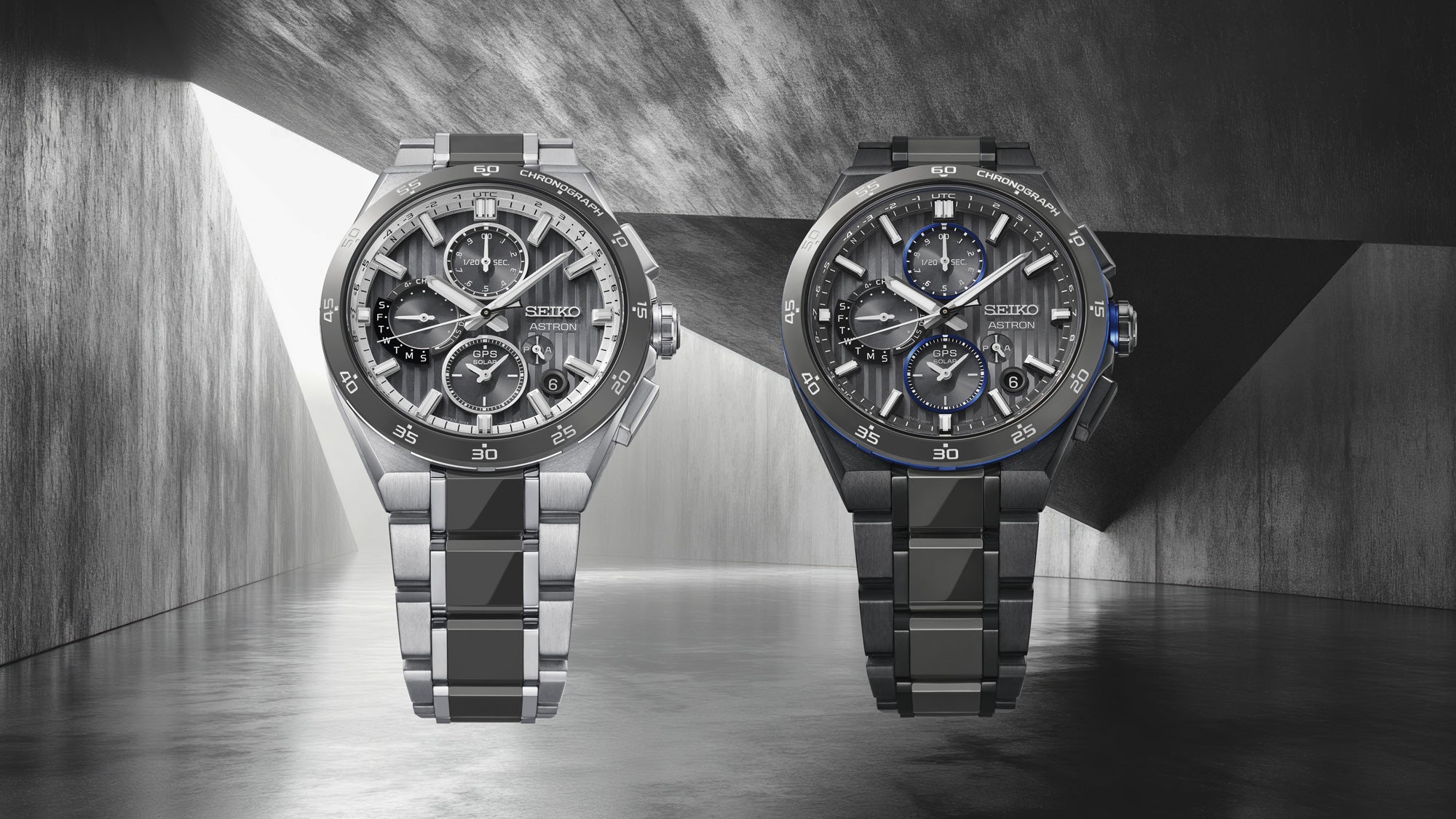
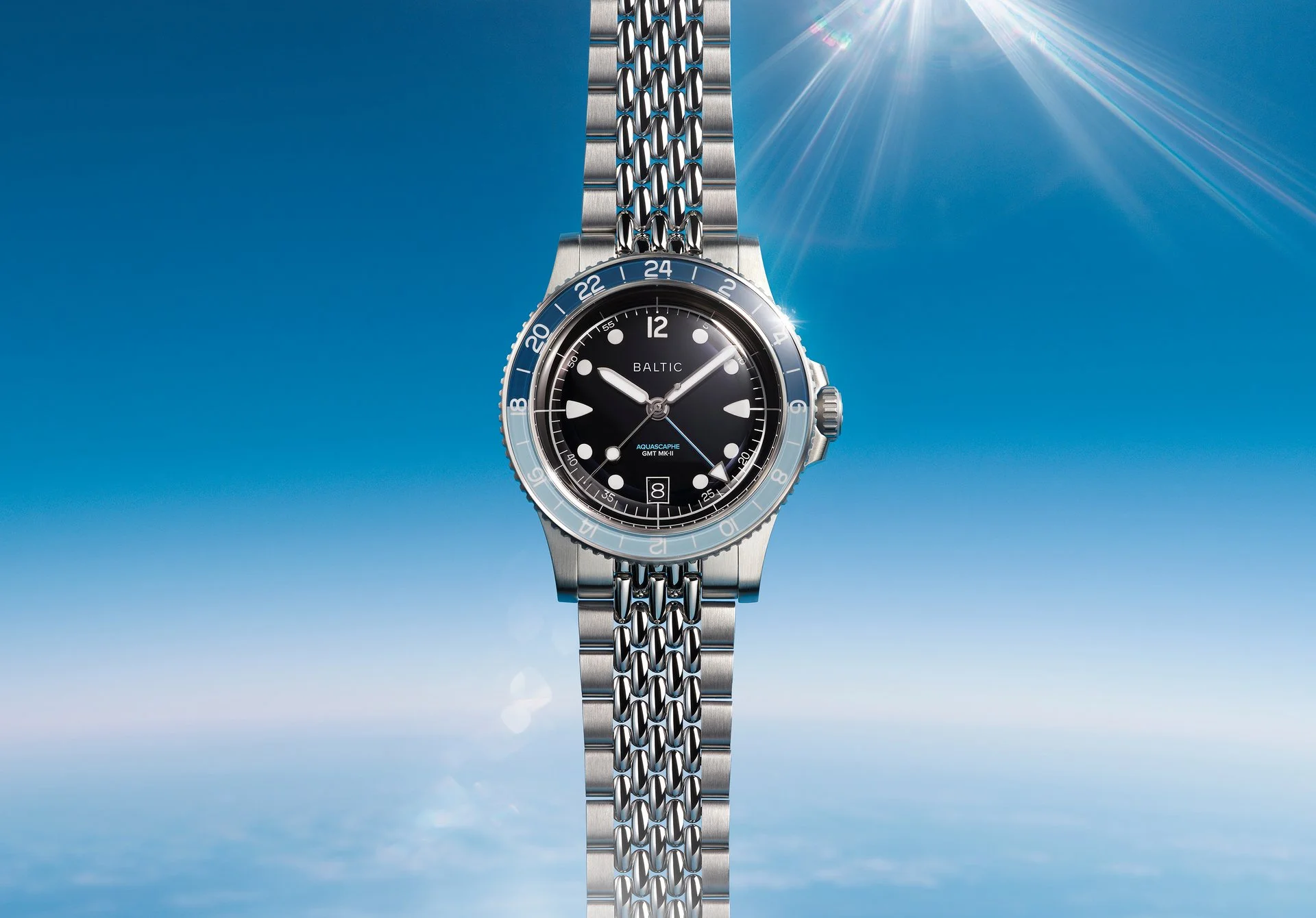
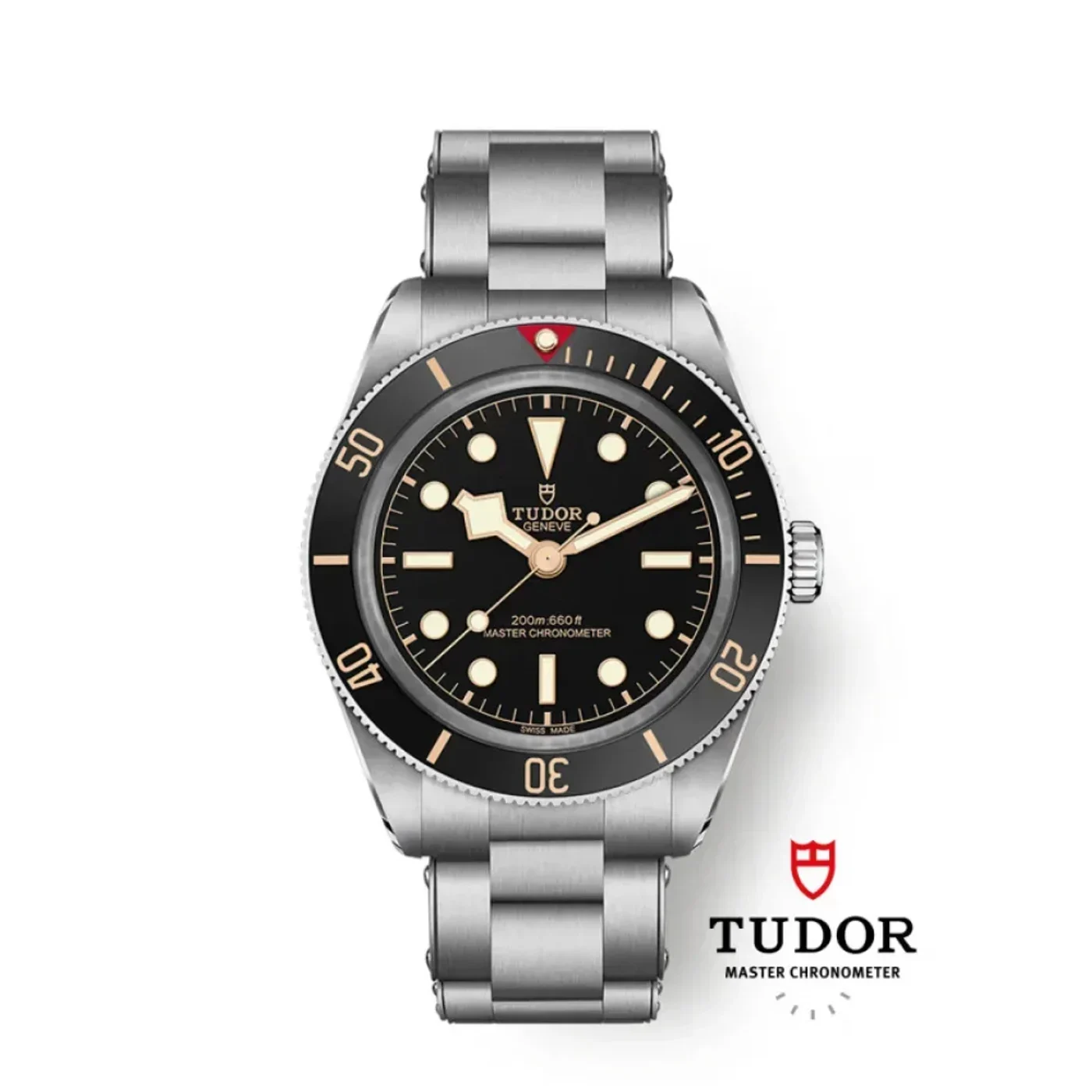
Hero images are built to make a watch legible and desirable. They often flatten perspective, center the dial and remove the wrist from the frame. That is useful for reading typography, handset, bezel and finishing. It is weak evidence for fit.
After the hero, look for a true side profile. It should show the crystal, bezel, mid-case, caseback, crown, lugs and the first bend of the strap or bracelet. If that view is absent, the most important ownership question may still be unanswered: where does the watch carry its height and length?
Separate Optical Scale From Measured Scale
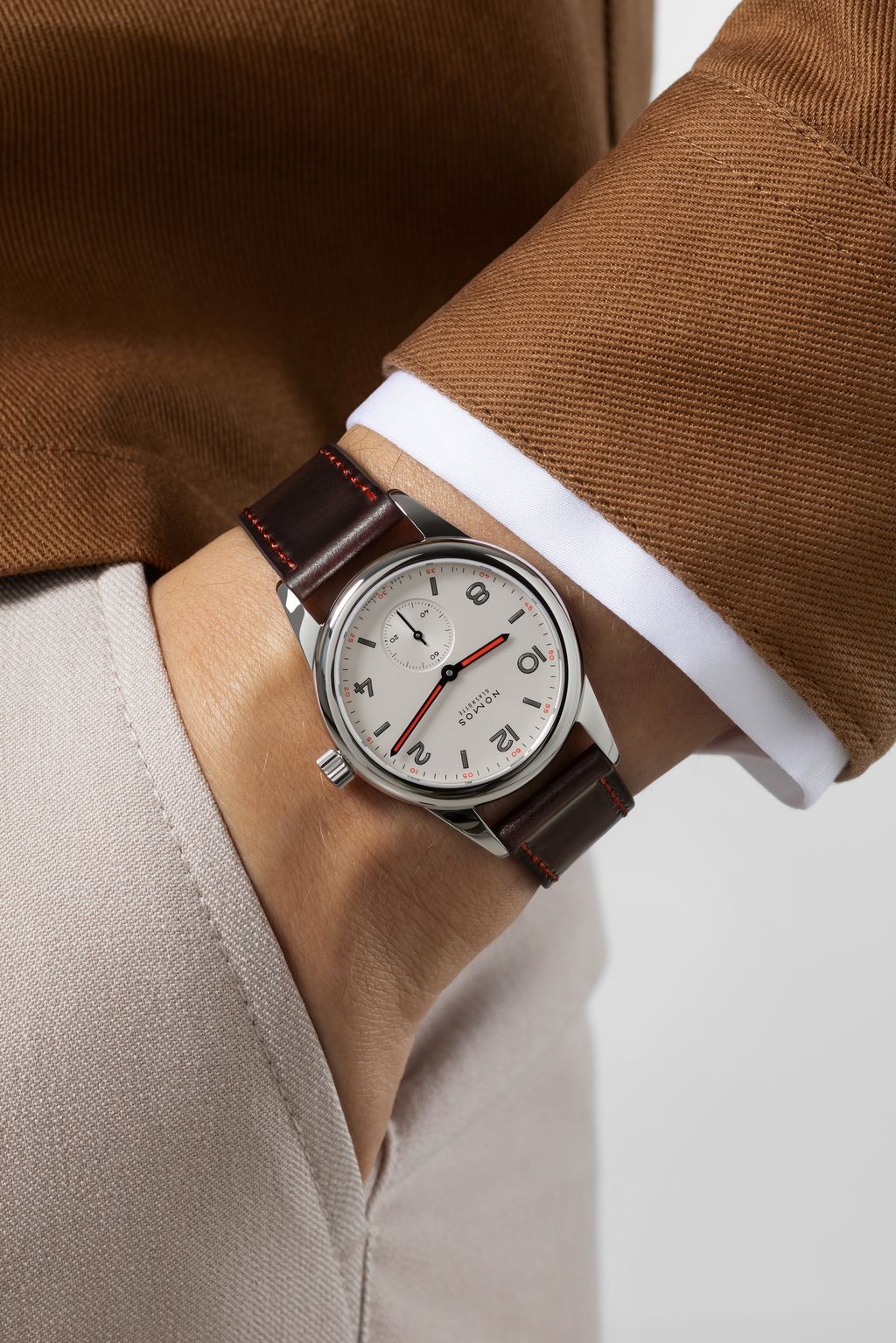
Wide-angle lenses exaggerate whatever sits closest to the camera. Tight crops remove the hand and forearm that would otherwise provide scale. Even a normal-looking wrist shot can mislead when the wrist circumference is unknown.
NOMOS handles this better than many brands by publishing both measurements and model wrist circumferences on its product pages. For Club reference 703.1, the official figures are 36.0 mm in diameter, 8.2 mm in height and 44.3 mm lug to lug. The page also identifies the wrist circumference used in several wearing images. Those numbers turn a mood image into something you can compare.
Do not reverse-engineer millimetres from pixels. Use photography to understand shape, then use official dimensions to anchor scale.
Read The Lugs And Strap Drop
NOMOS defines lug to lug as the distance between the two outer ends of the lugs, distinct from lug width, which determines strap size. In photographs, this distinction becomes visible: lug reach sets the case footprint, while strap drop shows whether the watch can begin wrapping around the wrist immediately.
Look for stiff end links, straight lugs and a strap that projects outward before bending. Each can increase the effective footprint beyond what diameter alone suggests. A soft strap dropping close to the case can make the same measured length easier to wear.
Use Reflections As Evidence
Reflections are not only visual drama. On a polished bezel they can reveal curvature. Along a case flank they can show whether the profile is slab-sided or tapered. On a domed crystal they can explain why a watch looks taller from one angle and thinner from another.
Macro images are best for finishing, printing and surface transitions. They are poor evidence for overall scale. Treat each frame as a specialist witness: the macro answers detail, the front view answers layout, the side view answers architecture, and a documented wrist shot answers context.
The Four-Image Buying Test
If a listing cannot provide these four views, pause before treating the photographs as fit evidence. Ask for dimensions or additional images. The aim is not to distrust photography; it is to assign every photograph the right job.
What The Camera Cannot Decide
No photograph can tell you whether a crown presses into your hand, whether a clasp creates a pressure point or whether the watch feels top-heavy in motion. Images can narrow risk, not replace a try-on or a return policy.
The collector advantage is simple: stop asking whether the watch looks good in the picture. Ask which ownership question the picture answers. When the image set, official dimensions and your use case agree, an online decision becomes much more disciplined.
Loading comments...