
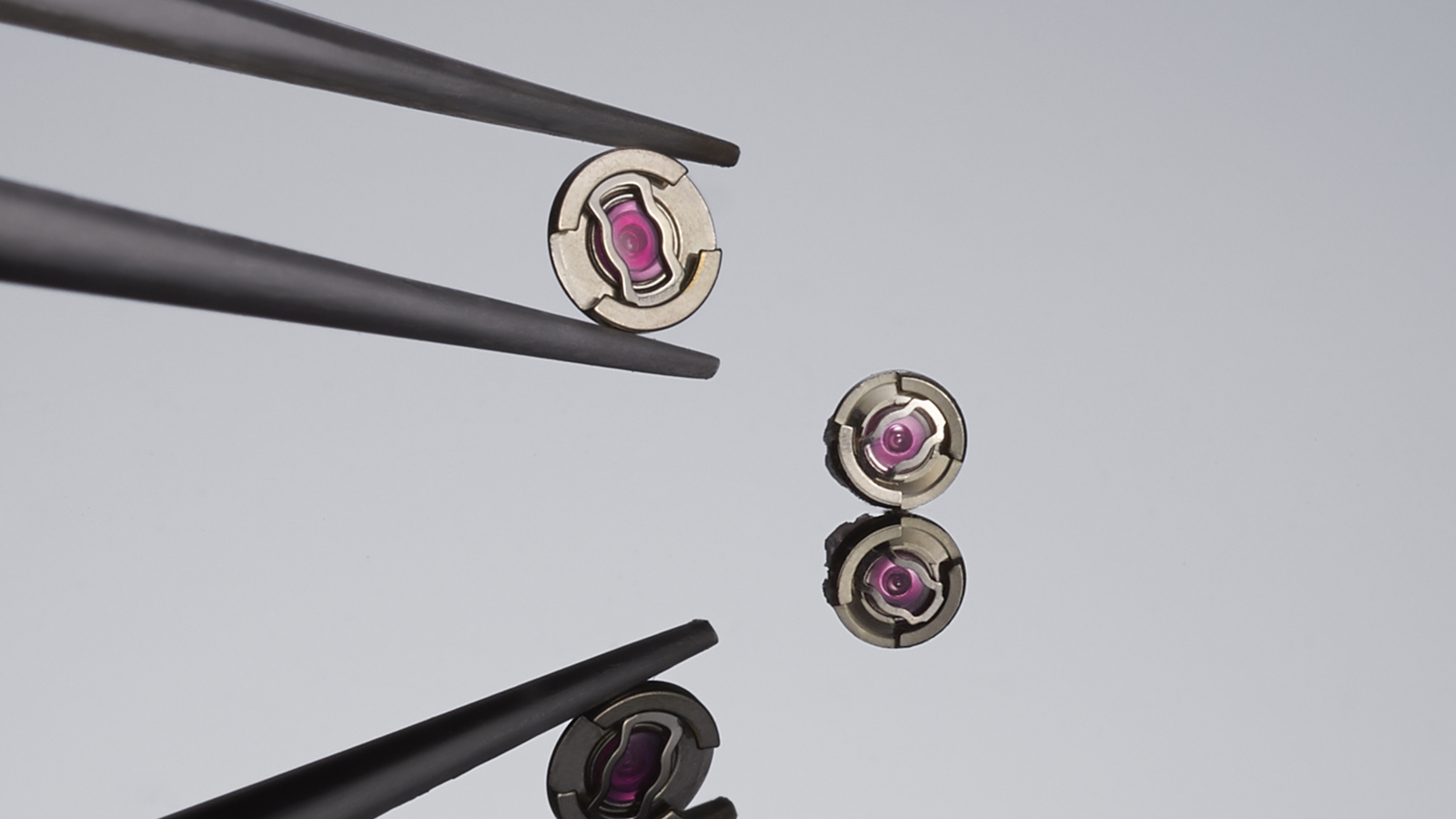
The red dots visible through a display back are not miniature trophies. In a mechanical movement, synthetic ruby jewels serve as hard, low-friction bearing surfaces at selected pivots. Their practical job is to help tiny rotating parts survive repeated motion without the metal-on-metal wear that would otherwise accumulate.
Why movements use jewels
Seiko describes Diashock as a bearing structure used around the balance-wheel pivot, one of the movement’s most shock-sensitive points. Longines likewise explains that synthetic rubies act as bearings for moving parts. Those descriptions give the jewel count its proper context: it records engineering choices inside a particular calibre.
The count follows the architecture
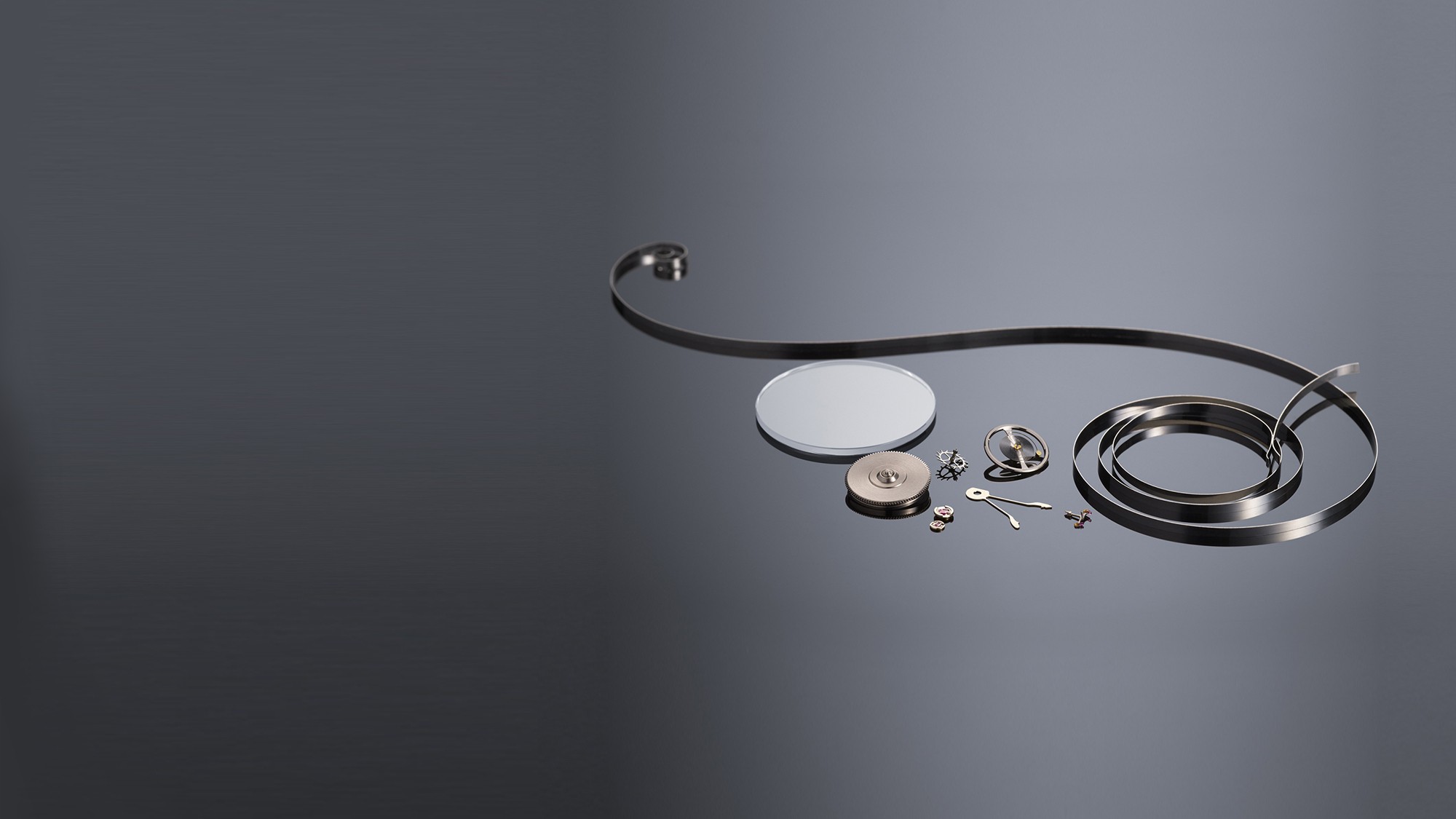
A movement with more wheels, pinions or auxiliary mechanisms may need more jeweled bearing points. A simpler calibre may need fewer. That does not make the first movement automatically better, and it does not make the second incomplete. The useful comparison begins only when the two counts belong to movements with similar architecture and purpose.
Official specifications make the separation clear. Seiko lists 35 jewels for calibre 8L45 while discussing its accuracy, escapement materials and power reserve as separate properties. Grand Seiko lists 34 jewels for Spring Drive calibre 9RB2, but credits its annual accuracy to the oscillator, integrated circuit and manufacturing process—not to the jewel total.
A jewel cannot explain accuracy by itself
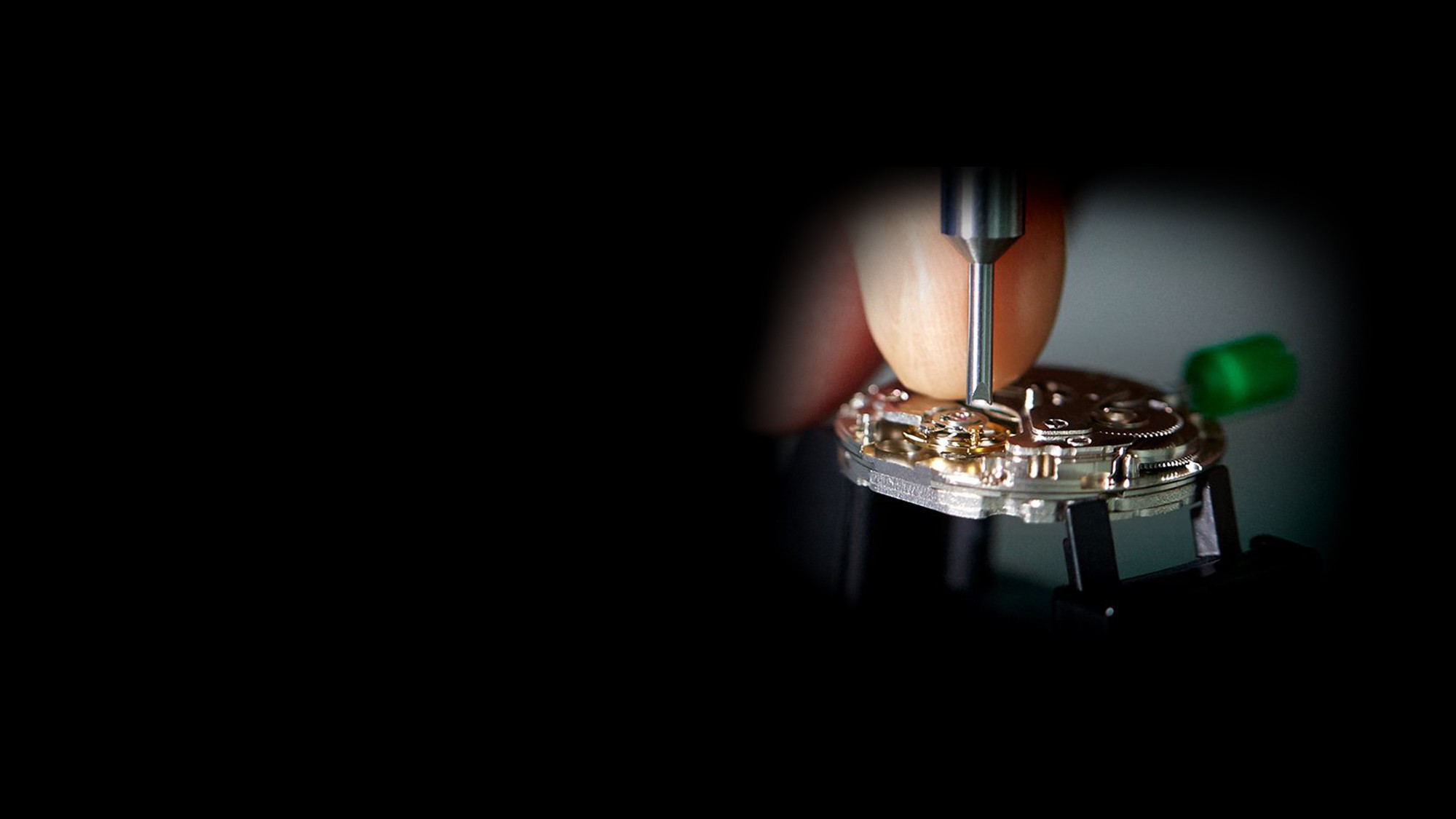
Jewels can reduce friction and wear where a designer places them. They cannot reveal how well the gear train is adjusted, how stable the regulating system is, how carefully the movement is assembled, or how consistently it performs on the wrist. They also do not measure finishing, serviceability or long-term parts support.
What to ask before buying
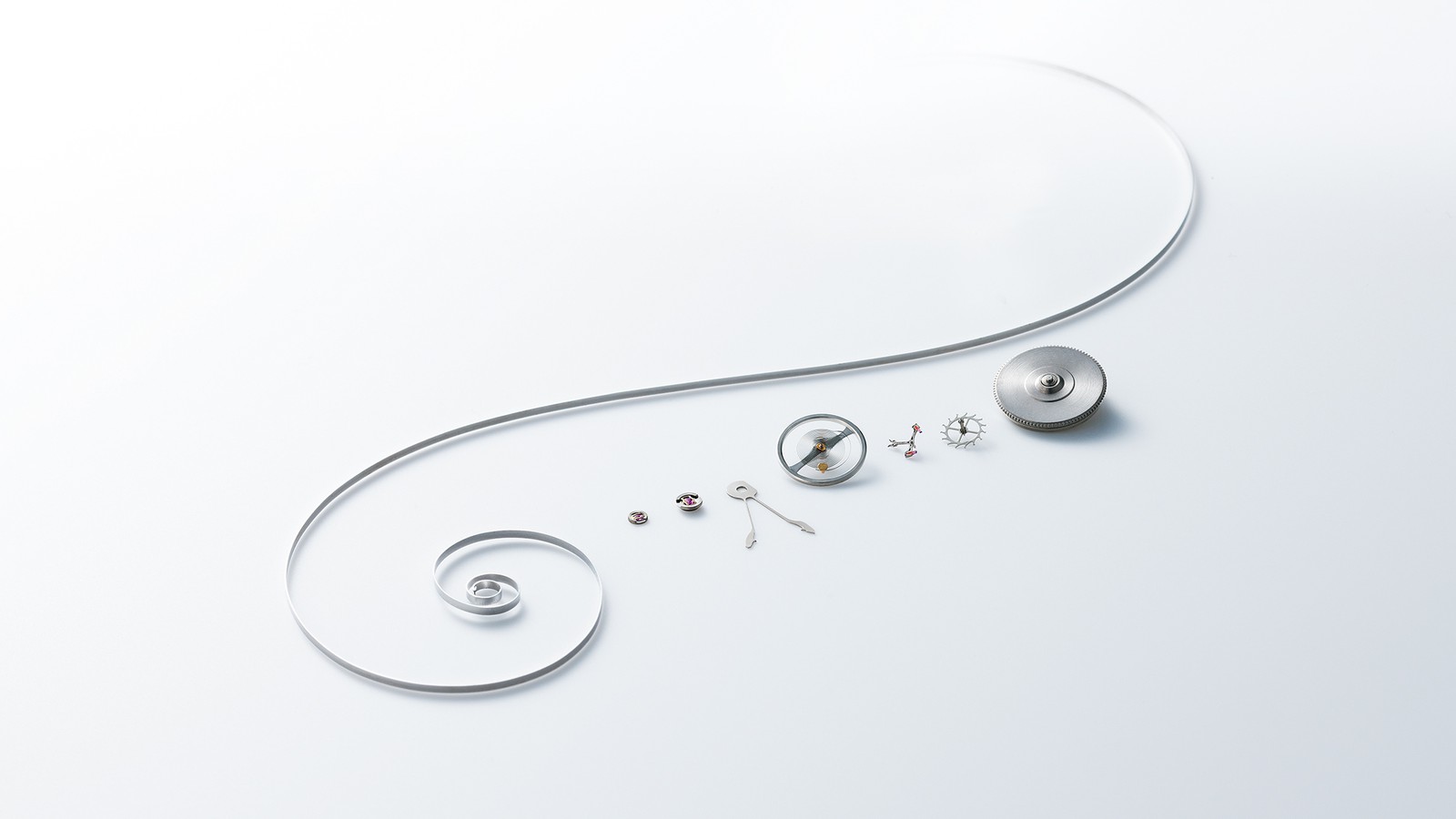
When reading a spec sheet, first identify the movement type, complication set, frequency and power reserve. Then ask whether the jewel count makes sense for that architecture. A large number can be legitimate in a complex calibre; it can also be irrelevant to the qualities you will notice every day.
For a purchase, compare published rate tolerances, regulation positions, shock protection, service interval guidance and warranty before treating the jewel count as meaningful. If two watches use different movement systems, the raw totals are not a fair ranking.
Read the calibre, not the number
A jewel count is best read as a map reference: it tells you something about where the movement supports motion, but not how well the entire journey is managed. Buy the calibre whose engineering, performance and service plan fit your use—not the one with the reddest number on the spec sheet.



Loading comments...