
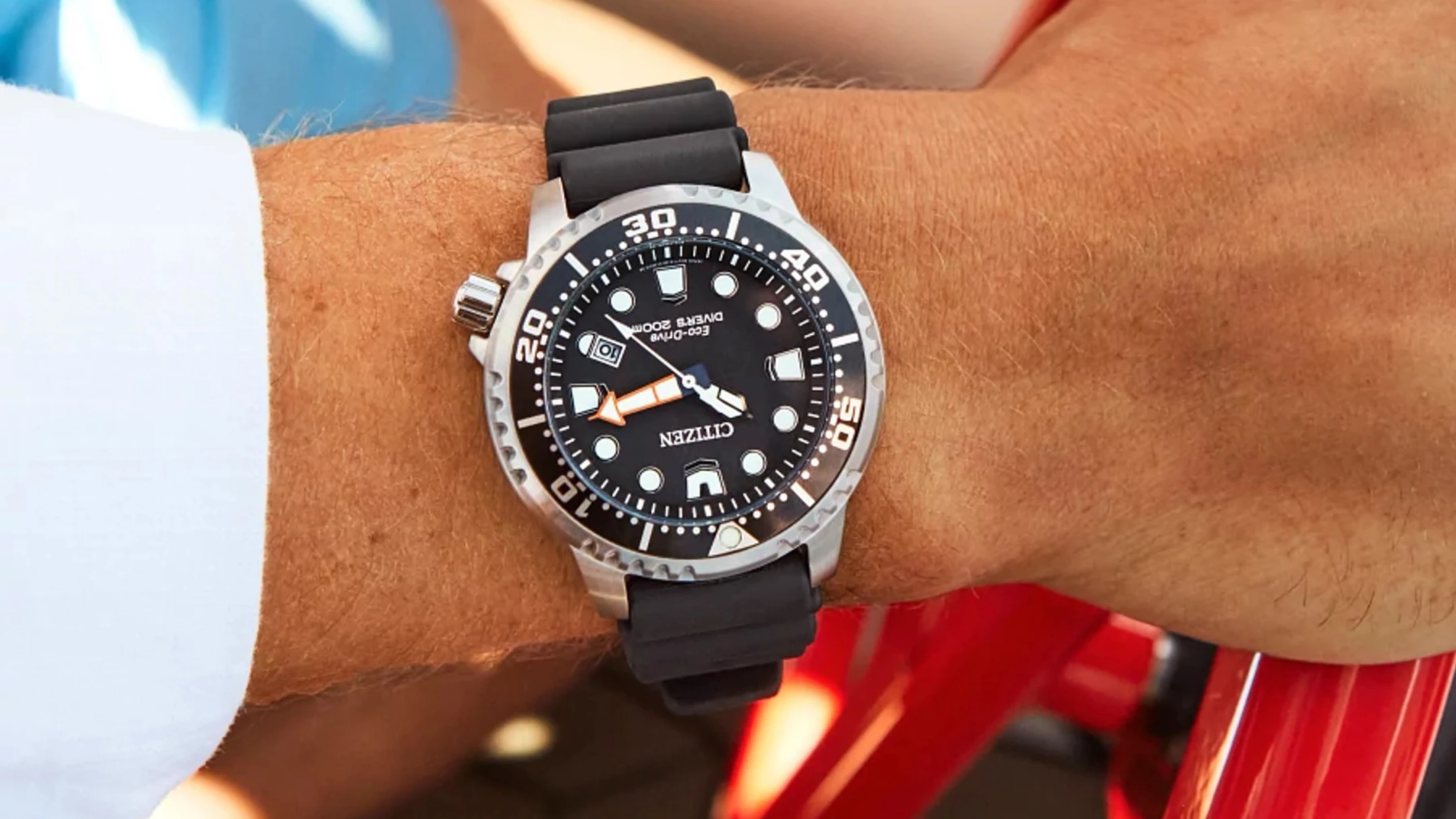
A watch marked “100 m” is not promising that every owner can descend to 100 metres with it. Water-resistance figures are test classifications that must be read with the maker’s use table, the exact wording on the watch and the present condition of its seals. That distinction is the difference between a useful specification and an expensive misunderstanding.
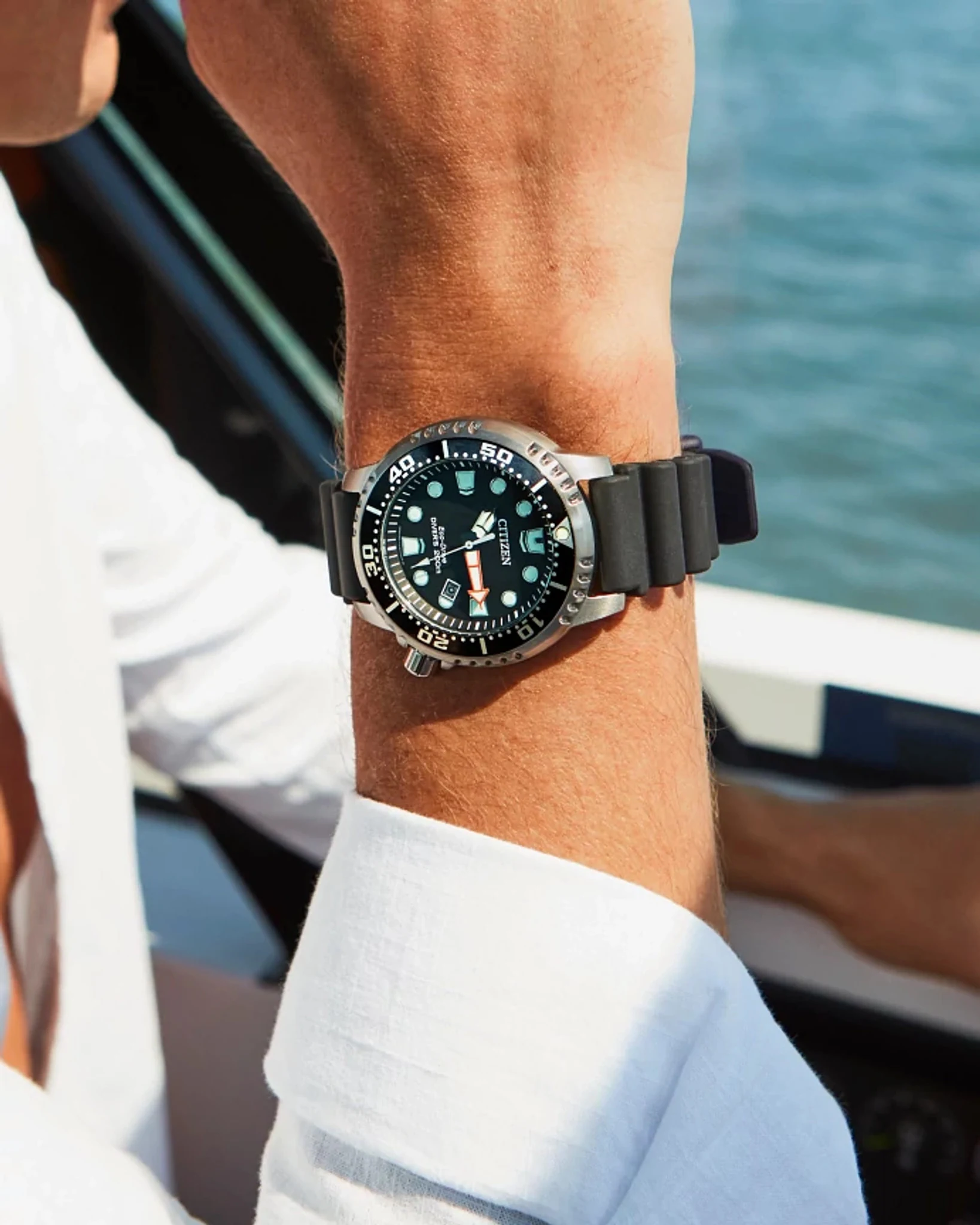
Citizen and Seiko both tell owners to check the dial or caseback first. Their official guidance then separates everyday splash resistance, swimming use and purpose-built diver classifications. The safest reading is therefore practical: what activity does this specific marking permit, and is the watch still in the condition in which that rating was established?
Start with the marking, then read the use
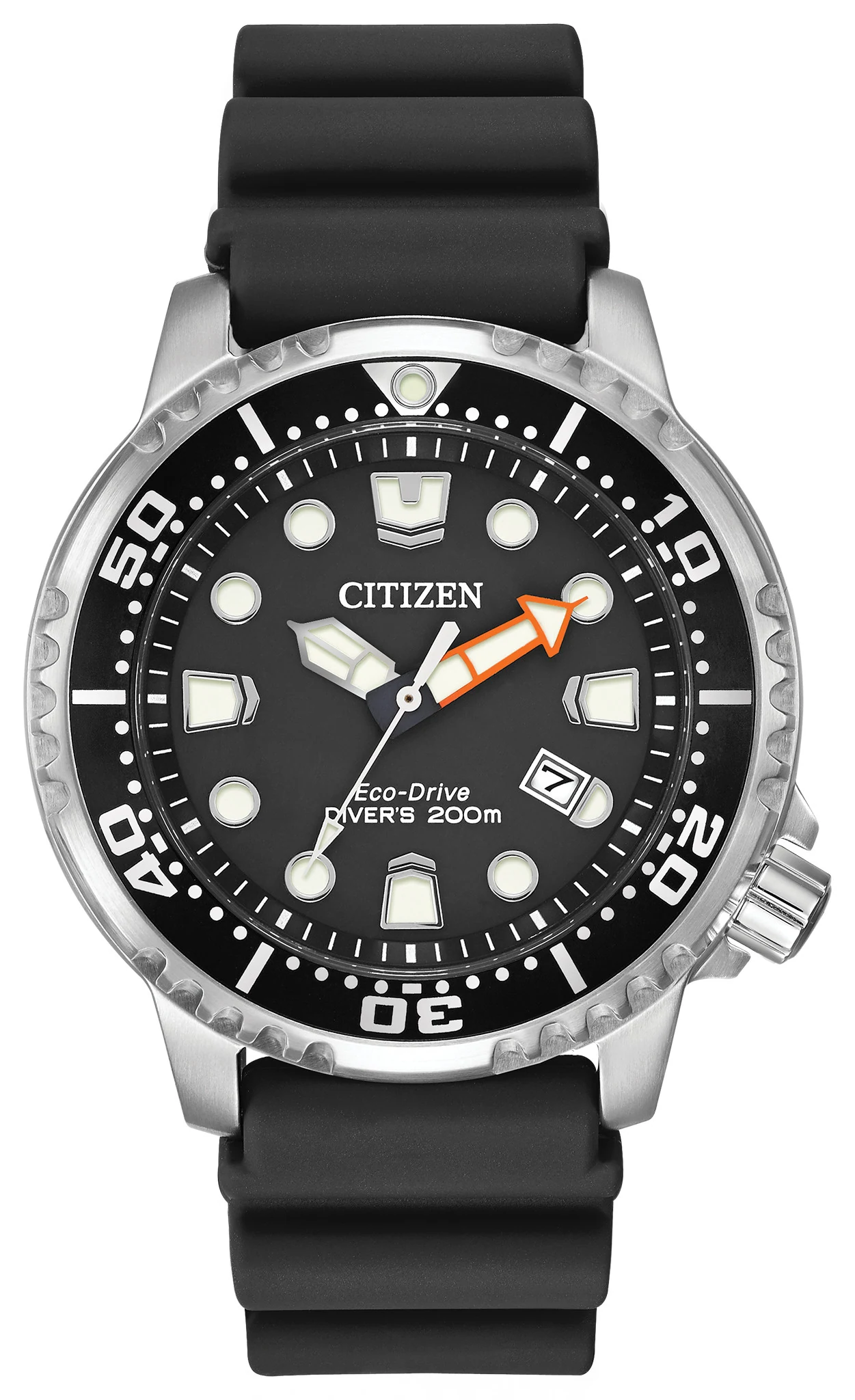
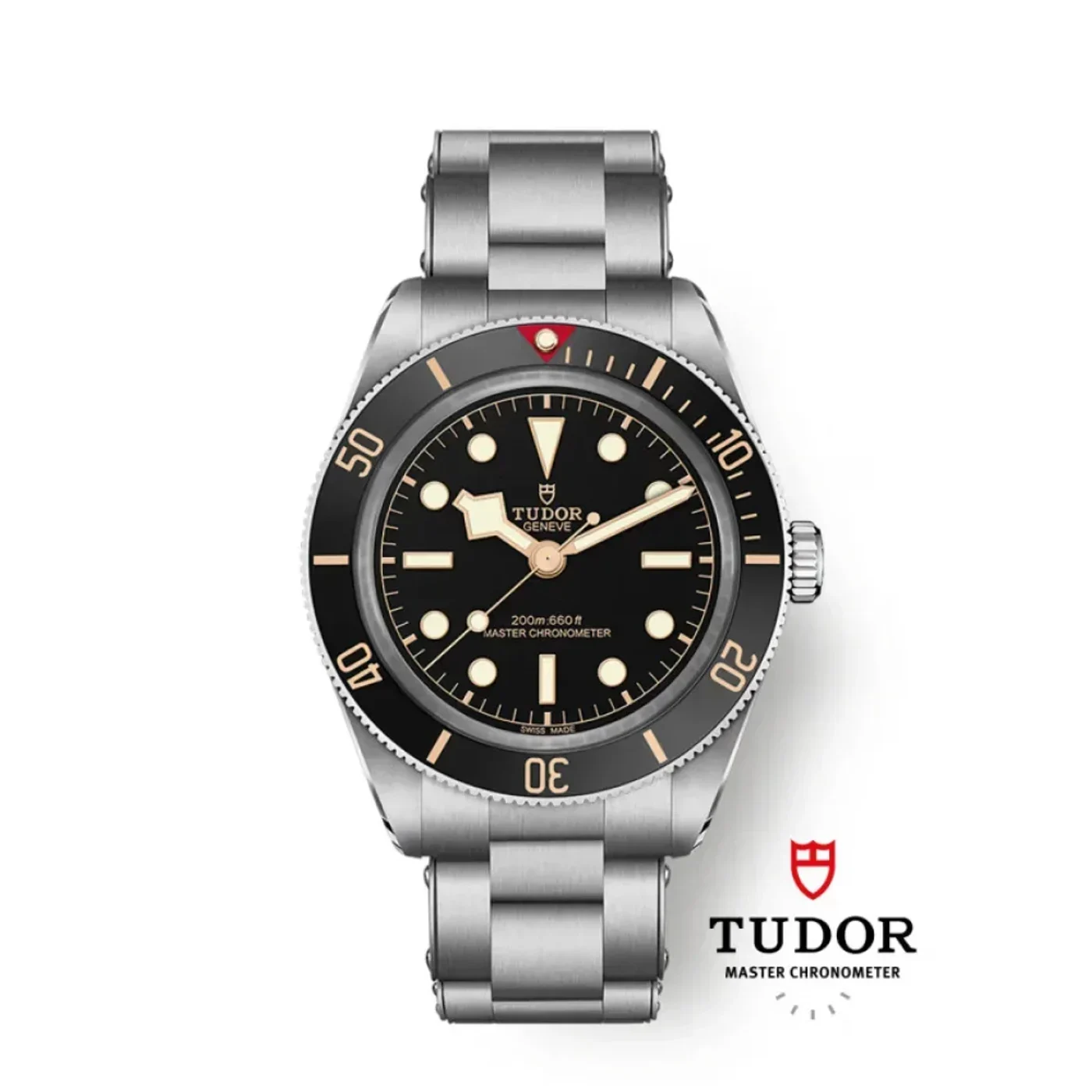
A plain depth number and an explicit “Diver’s” marking are not interchangeable. Citizen’s table treats 3 bar as protection against accidental splashes, 5 bar as suitable for ordinary swimming, and 10, 20 or 30 bar as suitable for frequent water contact and aquatic sports—but not scuba diving. Its separate 200 m and 300 m Diver’s categories are the ones marked for skin or scuba diving. Seiko’s table follows the same essential logic: the marking identifies a use category, not merely a bigger number.
These tables are brand guidance, not a universal permission slip. A different maker may describe its products differently, and the manual for the exact reference wins. If the caseback is unmarked, illegible, damaged or inconsistent with the documentation, treat the capability as unknown until the watch is checked.
A practical use ladder
For ownership decisions, the useful ladder is conservative. A 3 bar watch belongs in the “splashes and rain” category. A 5 bar watch may be intended for swimming when the maker says so. A 10–30 bar watch may support more regular aquatic use, yet Citizen still excludes scuba unless the watch carries its diver classification. A watch expressly marked Diver’s 200 m or 300 m belongs to a purpose-built category, but it still depends on correct crown use and sound seals.
- 3 bar
- Splashes and rain; not swimming
- 5 bar
- Ordinary swimming only when the maker permits it
- 10–30 bar
- Frequent water contact and aquatic sport; not automatically scuba
- Diver’s 200/300 m
- Purpose-built diving class; follow the exact manual and crown procedure
The point is not to turn every owner into a standards engineer. It is to stop treating metres as a dare. The activity label is the decision tool; the number is only one part of it.
The crown, heat and running water problem
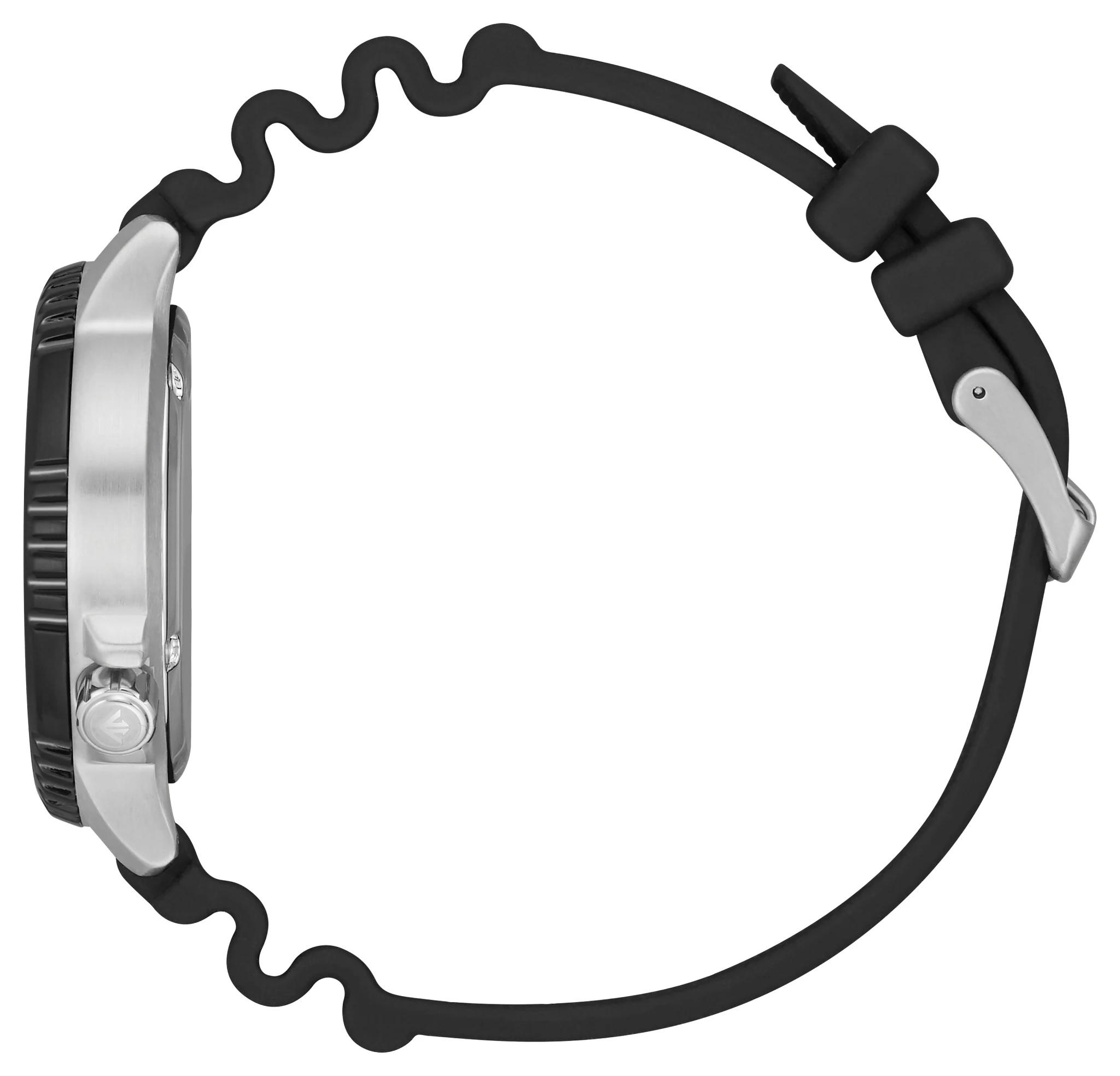
Both Citizen and Seiko warn owners not to pull, turn or press the crown and buttons while the watch is wet or submerged. Screw-lock crowns must be fully secured before water exposure. That small habit matters because the crown is one of the places where the case opens to the outside world.
Running tap water is another poor shortcut. Citizen specifically warns against placing a watch directly under a faucet because concentrated water pressure can exceed the conditions implied by normal daily use. Hot baths and saunas are also hostile environments: heat changes materials and can degrade sealing performance. “Water resistant” does not mean “steam resistant.”
Water resistance ages with the watch
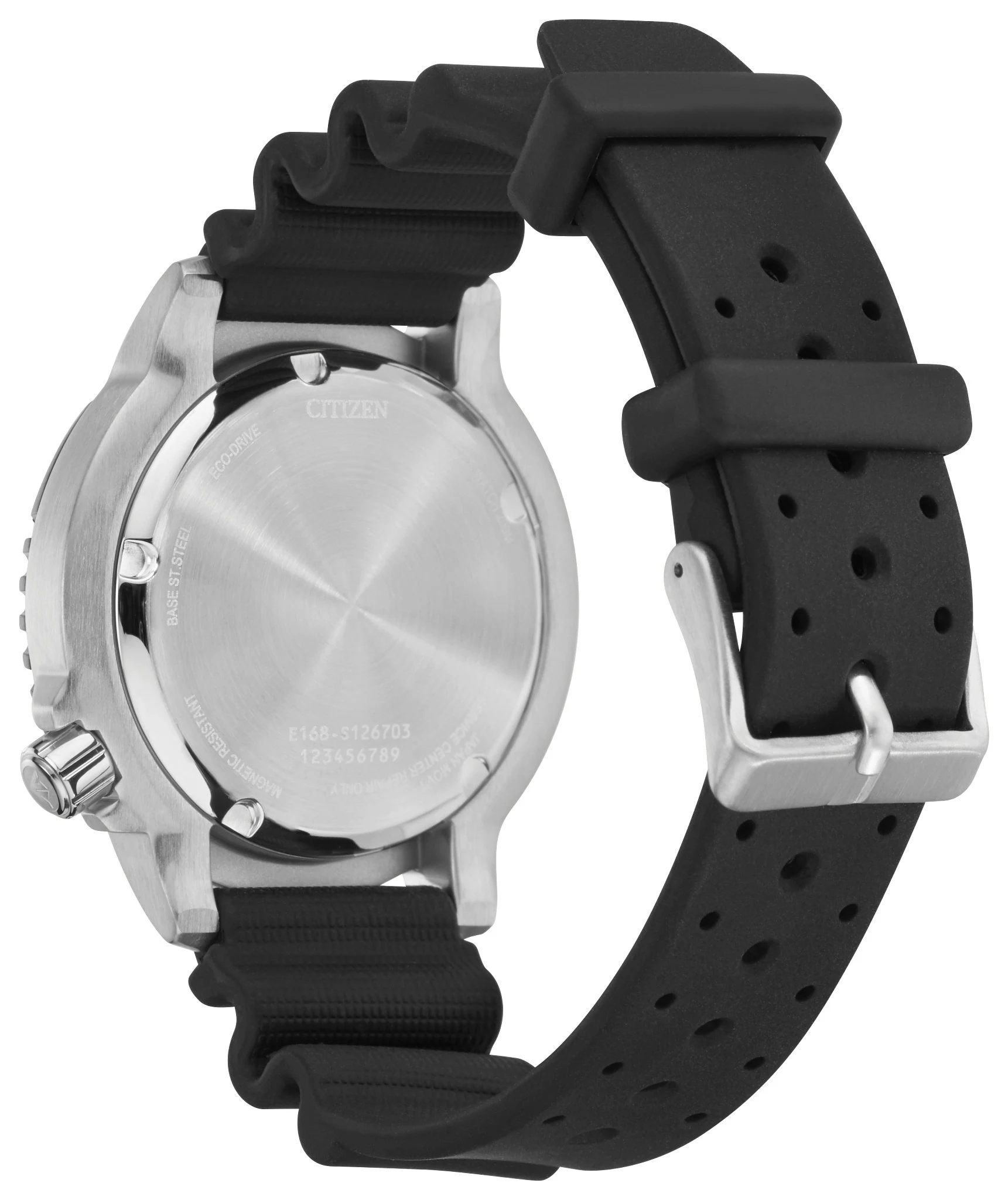
Water resistance is not permanent. Seiko notes that gasket ageing and deformation caused by accidental shock can reduce protection. Citizen likewise says gaskets and other components deteriorate and recommends periodic inspection and gasket replacement—at least every two to three years in its general guidance.
That interval is not a universal service prescription for every watch. Use the manufacturer’s schedule, and ask for a pressure or water-resistance test after a case-opening service, a hard impact or any sign of condensation. A vintage watch, an unknown pre-owned watch and a recently opened watch should never inherit their original rating by assumption.
After seawater exposure, Seiko advises rinsing an appropriately rated watch in fresh water and drying it thoroughly. Salt, sweat and dirt are ownership problems even when water has not crossed the seals.
A five-point check before the watch gets wet
- Read the exact marking
- Check the reference manual
- Lock the crown
- Consider shocks and case opening
- Test ageing seals
Before swimming, confirm five things: the exact dial or caseback marking; the maker’s activity table for that reference; that the crown is fully seated or locked; that no recent shock, opening or condensation has compromised the case; and that the watch is within a sensible test or service interval. If any answer is uncertain, keeping the watch dry is not overcautious—it is the only claim the available evidence supports.
The collector’s habit worth keeping is simple: read the label as a use instruction, not a depth challenge. A sound 5 bar watch used within its stated class is a better water companion than an untested “200 m” watch with a damaged crown or ageing gasket. The printed number starts the decision; condition finishes it.
One final distinction helps when comparing specifications. Citizen notes that 1 bar is approximately one atmosphere, or ten metres of water pressure, but that conversion does not turn a 10 bar marking into a literal plan to spend time at 100 metres. The use table remains the controlling interpretation. For a pre-owned purchase, ask when the case was last opened and when water resistance was last tested; inspect the crown, crystal and case for damage; and treat any fogging beneath the crystal as a stop signal rather than something to “see if it clears.” The useful ownership record is not only the original rating. It is the latest credible evidence that the case still holds it.

Loading comments...