
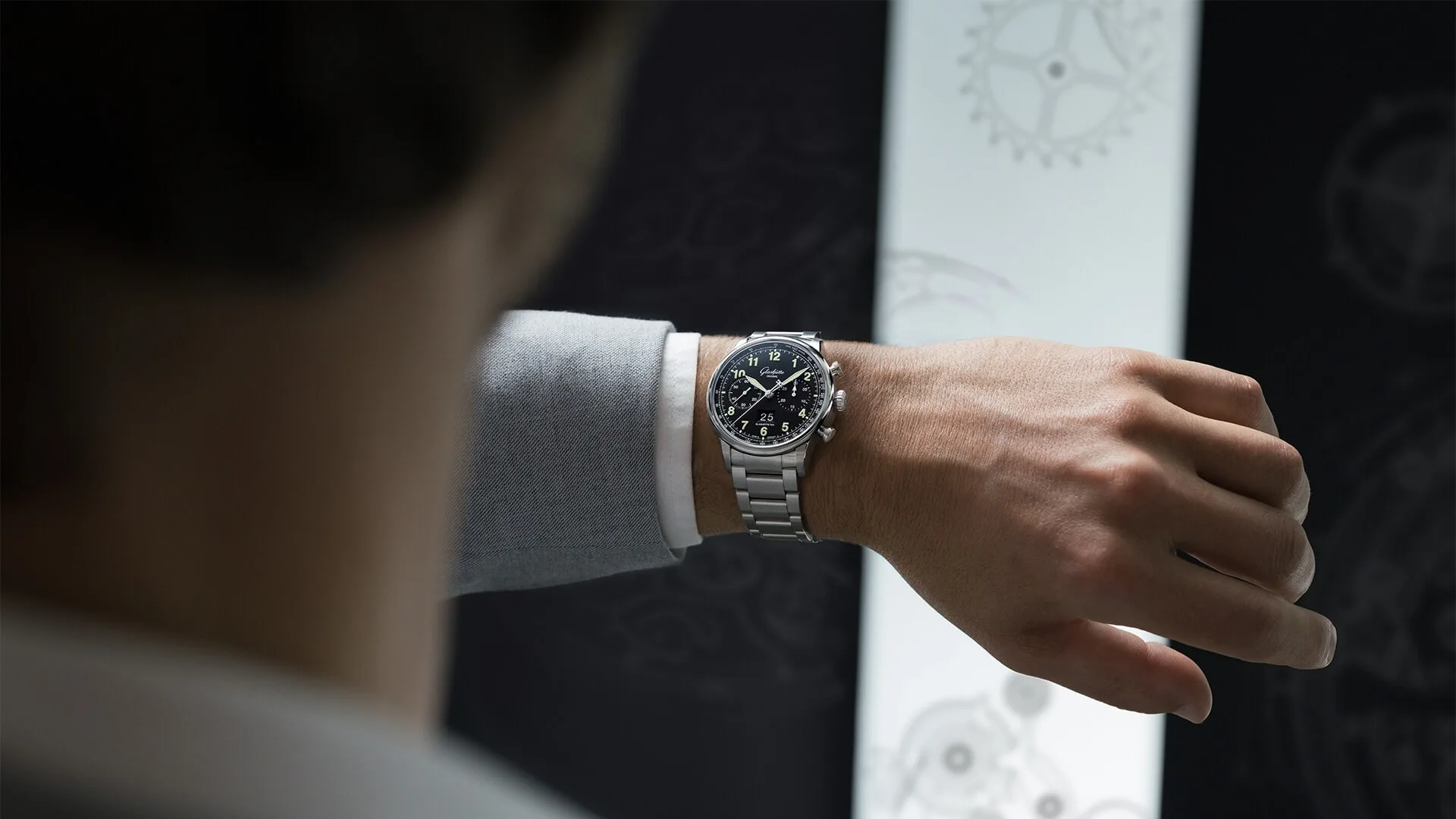
A flyback chronograph solves one precise problem: it lets the wearer reset and restart an active timing session with a single press. A conventional chronograph requires stop, reset and restart as separate actions. That difference is mechanically interesting, but it becomes valuable only when the owner actually times repeated intervals.
The Quick Buying Test
What Flyback Actually Changes
TAG Heuer’s official explanation draws the distinction clearly. A traditional chronograph uses the upper pusher to start and stop, then the lower pusher to reset. A flyback combines stop, reset and restart in one action while the chronograph is running. The advantage is speed between consecutive measurements, not greater accuracy by itself.
That matters for navigation legs, repeated production cycles, training intervals or any task where one measurement must immediately give way to the next. If your real use is timing coffee, parking, a meeting or a single journey, the ordinary sequence is rarely a burden.
The Senator Navigator as a Buying Test
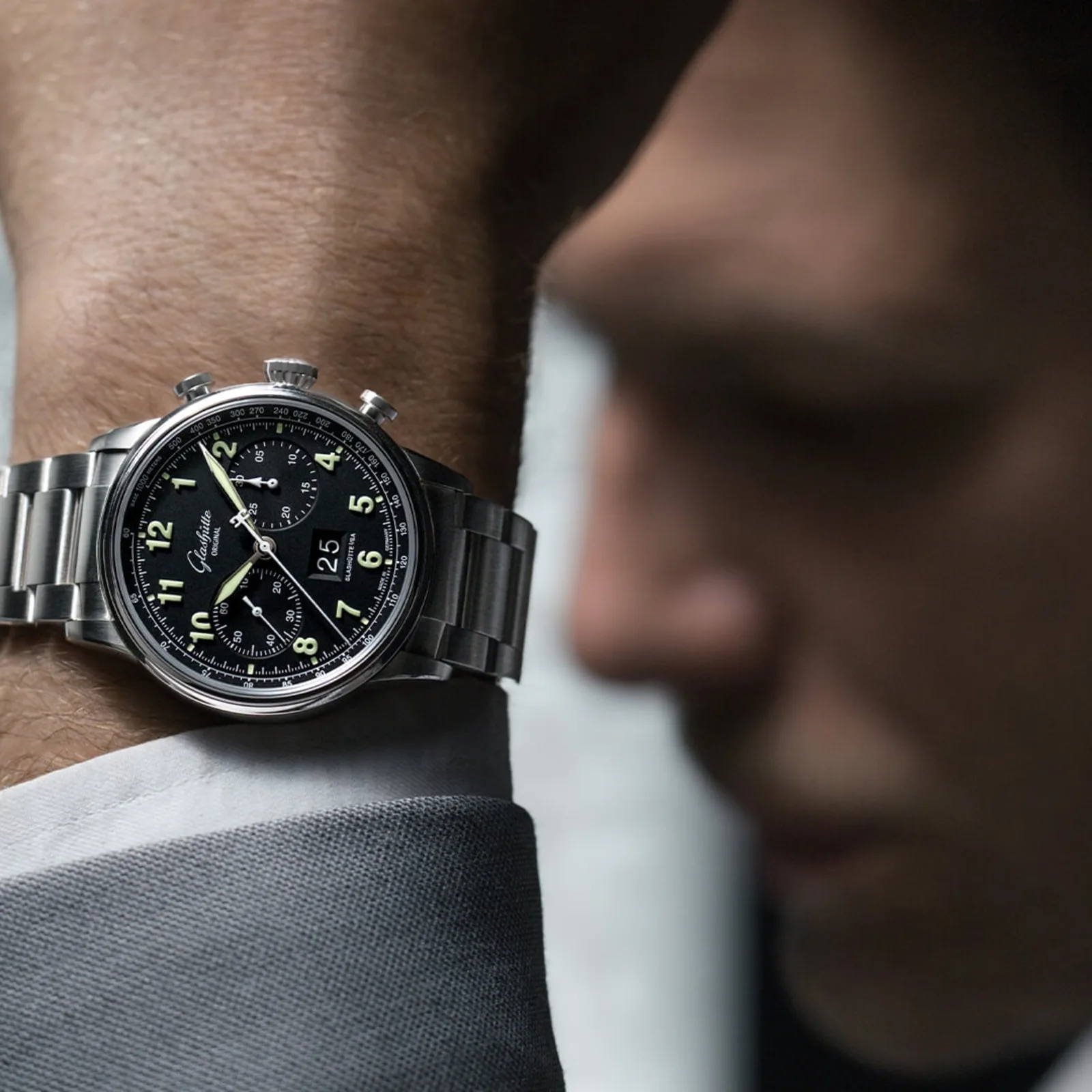
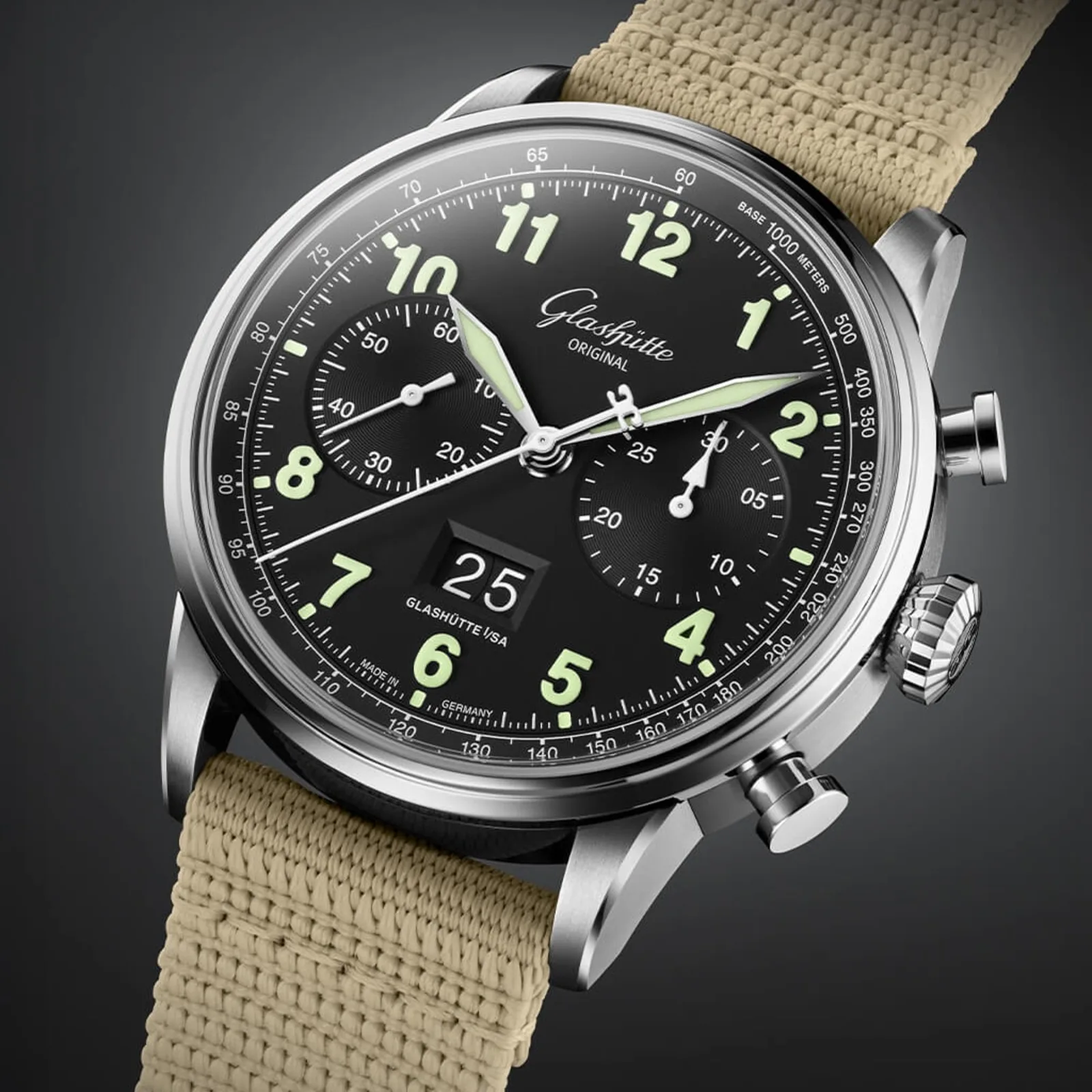
Glashütte Original’s official specification gives reference 1-37-24-20-12-71 a 41 mm steel case, 12.9 mm thickness, 5 bar water resistance and automatic calibre 37-24 with 70 hours of power reserve. The display combines central chronograph seconds, a 30-minute counter, small seconds, Panorama Date and a tachymeter scale.
That list exposes the questions a buyer should ask. Is a 30-minute recorder long enough? Is 5 bar compatible with your routine? Does the Panorama Date help daily use, or add visual weight? The flyback may be the headline mechanism, but the counter range and case profile will shape ownership more often.
Do Not Buy the Tachymeter by Accident
A tachymeter converts elapsed time over a known distance into average speed. TAG Heuer’s guide explains the method: start over one kilometre or mile, stop at the end, then read the central hand against the scale. It is coherent here, but most owners will use basic timing more often.
Column wheels, vertical clutches and flyback systems can improve feel or operation, but they should not distract from pusher action, dial readability, warranty, service access and fit. A complication earns its cost when it improves the owner’s routine.
The Collector’s Ownership Decision
The Senator Chronograph Navigator makes a persuasive case because its flyback sits inside a legible, wearable and historically informed package. It does not make flyback universal. Buying it for mechanical pleasure is valid, but that is enjoyment of engineering, not compulsory utility.


Loading comments...