
A watch-company acquisition matters only when it changes the conditions under which products are designed, funded, distributed or serviced. Movado Group’s agreement to sell a 95% interest in EBEL for $66.5 million qualifies because the proposed buyers bring unusual watchmaking and luxury-industry weight: Montres Journe leads the group, Chanel participates, and Pierre Jacques is set to become chief executive.
For collectors, this is not yet a product launch or a completed change of control. It is a binding agreement announced on 8 October 2026, subject to customary adjustments and closing conditions. Movado will retain 5%, and closing is expected in the next few months. Any claim about a new calibre, collection, production strategy or price ladder would therefore be premature.
The confirmed transaction
The announced structure transfers more than a trademark. Movado says EBEL’s intellectual property, inventory and dedicated assets—including Le Corbusier’s Villa Turque—will move into a newly formed Swiss subsidiary. Certain staff dedicated to EBEL are expected to move with it, while Movado will provide transition services after closing. That continuity is important because collectors experience ownership changes through parts, warranties, service and distribution long before they see a dramatic new watch.
Why the buyer group matters
Montres Journe contributes a manufacture culture built around precision mechanical watchmaking. Chanel adds capital, long-horizon luxury management and its own watchmaking experience. Pierre Jacques, previously associated with specialist retail and independent watchmaking, gives the arrangement an operating leader rather than only financial sponsors. Those ingredients make focused product development plausible, but the press release promises resources—not specific watches.
The product question is still open
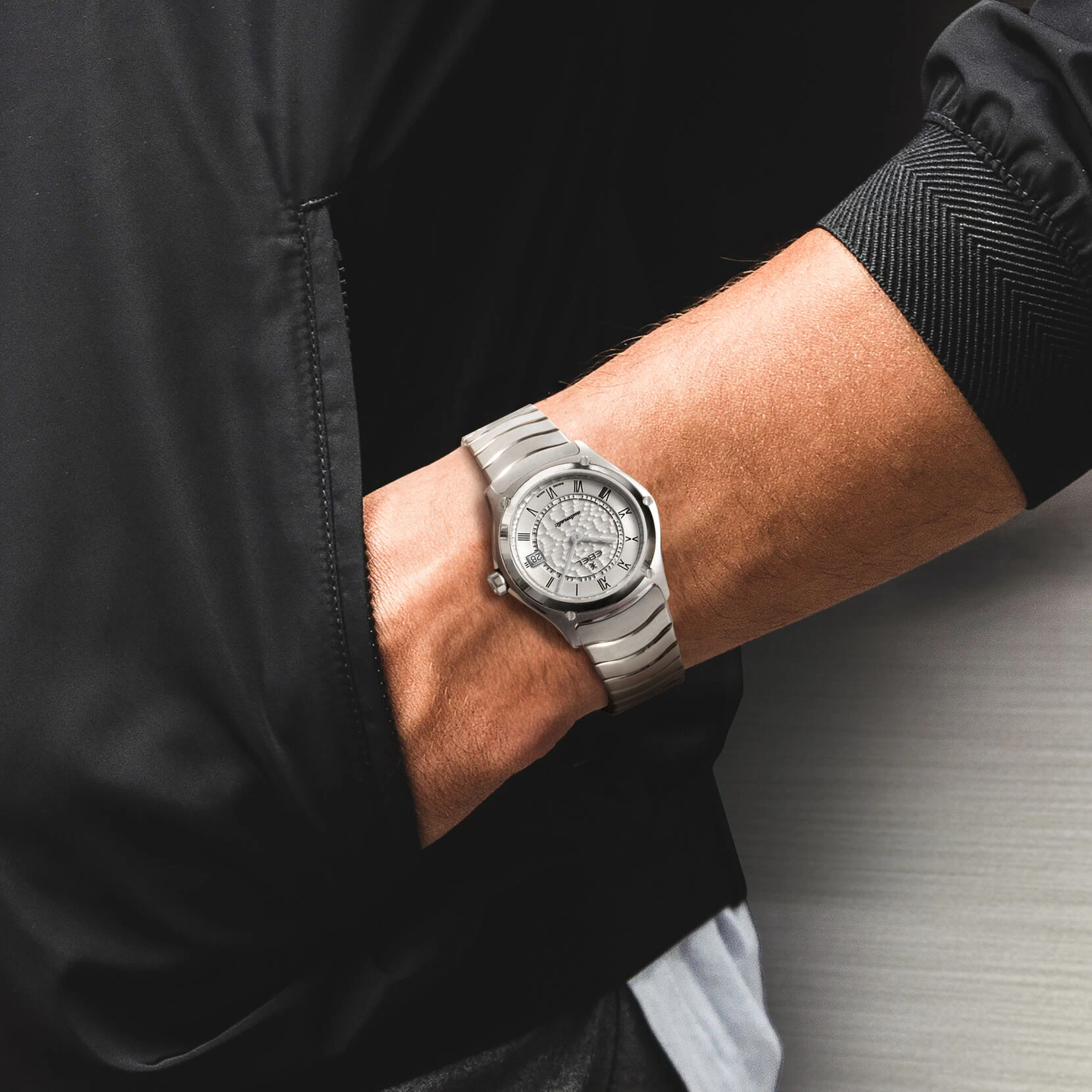
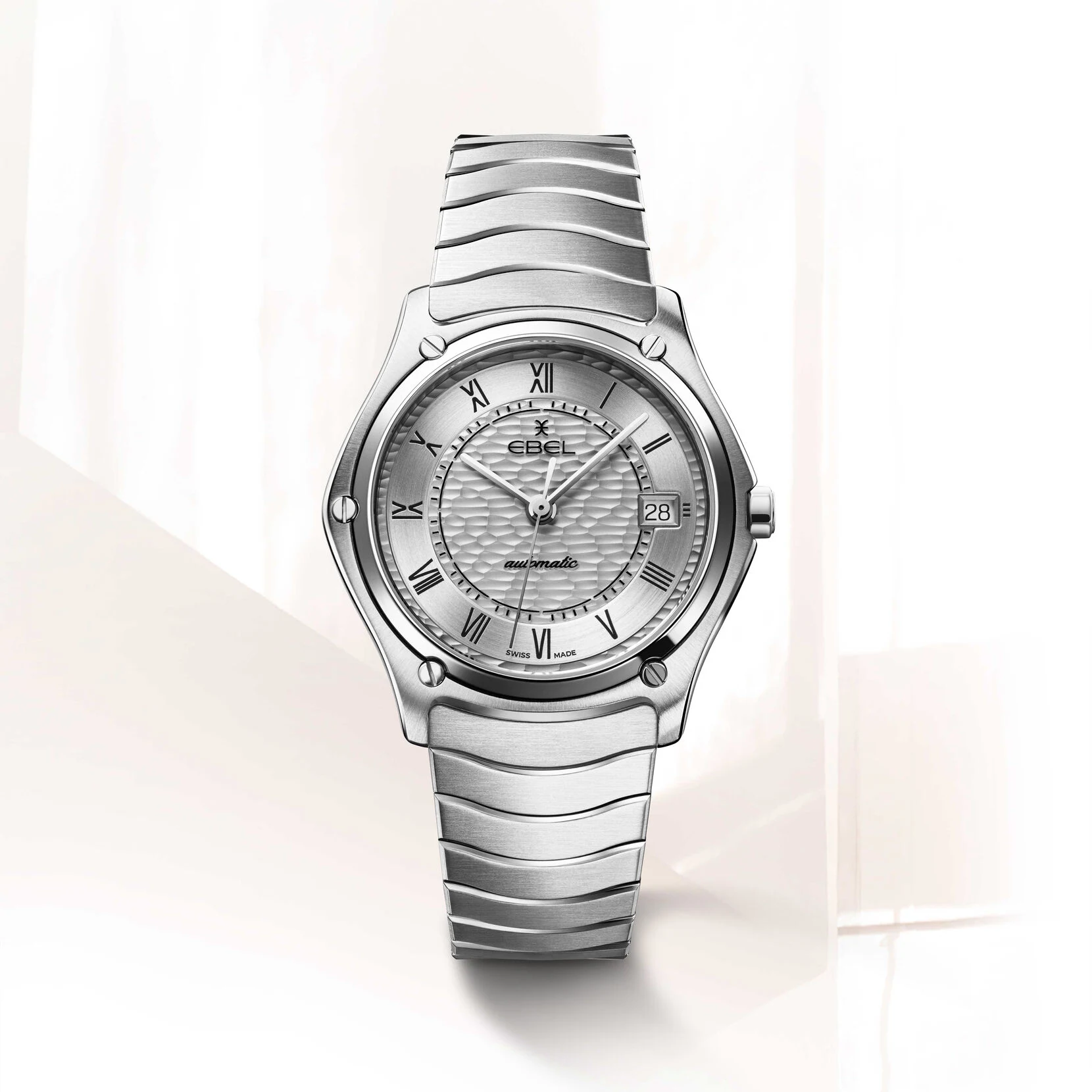
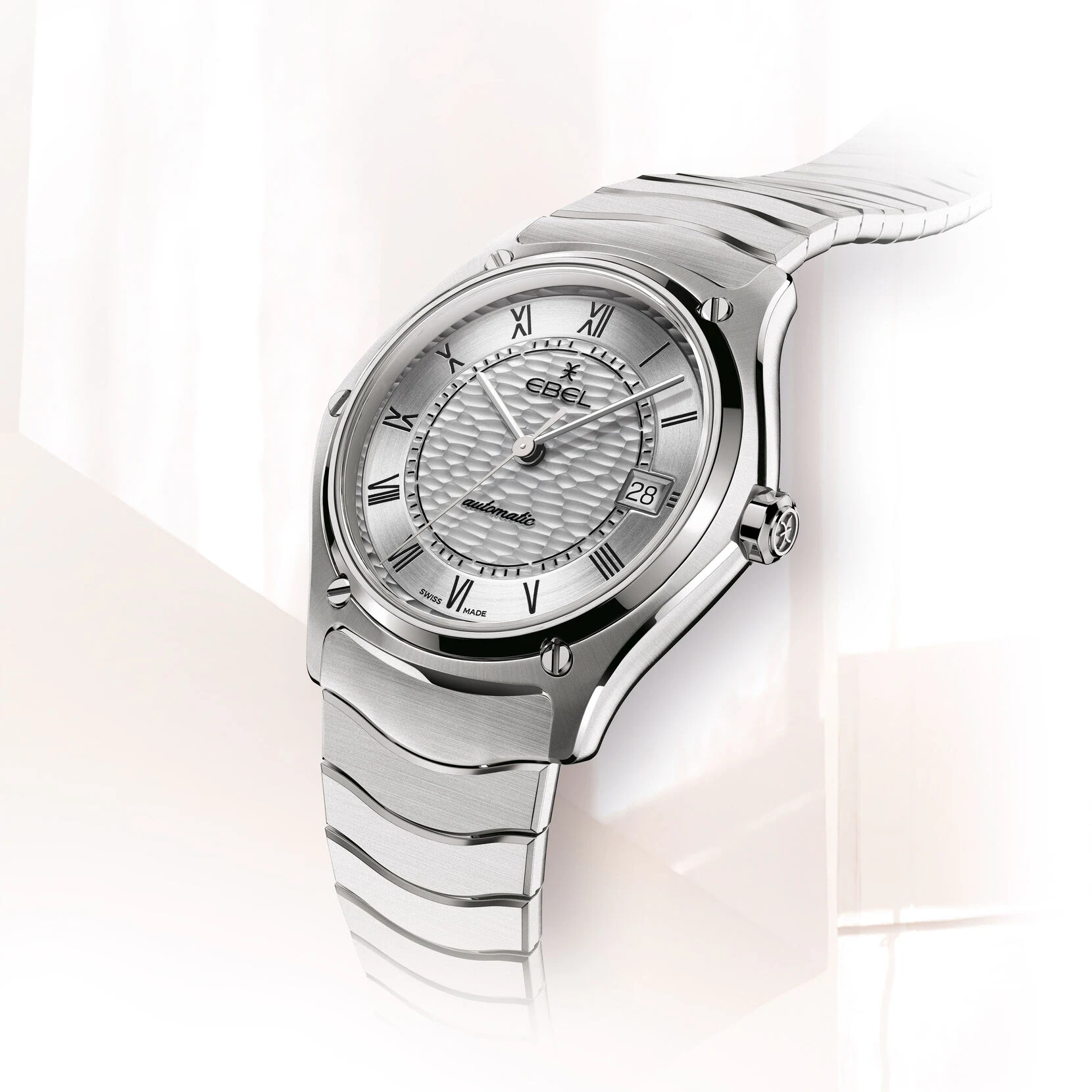
The most valuable EBEL asset is not a blank slate. The brand was founded in La Chaux-de-Fonds in 1911 and still trades on a recognisable design language. The current Sport Classic reference 1216708 is a 37 mm steel automatic with exposed bezel screws, a wave-textured dial and the flowing wave-link bracelet. Its identity is clear enough that a revival does not need to invent a costume; it needs to decide which codes deserve investment.
That decision has several possible directions. A technically ambitious owner could rebuild mechanical credibility, while a luxury group could sharpen materials, retail and communication. But collectors should resist filling the silence with a fantasy F.P. Journe collaboration or assuming Chanel will redesign the catalogue. Neither outcome has been announced. The useful signal is alignment around long-term development, not a leaked product roadmap.
What collectors should watch next
Existing owners should watch the practical layer first: whether service contacts, parts policies, warranty handling and retailer relationships remain stable through closing. Prospective buyers should judge current EBEL watches on their present specifications and prices, not pay a premium for an imagined future. A corporate transaction can improve stewardship, but it does not retroactively change the movement or finishing of a watch already in the case.
The next meaningful evidence will be concrete: confirmation that the deal closed, the composition of the new management team, treatment of after-sales support, and the first product or technical decision issued by the new company. Until then, the acquisition is promising because it concentrates expertise and attention around EBEL. Its success will be measured by whether that attention produces coherent watches and reliable ownership—not by the prestige of the names in the buyer group alone.

Loading comments...