
A mechanical watch can run for three days and still gain or lose time every day. That is not a contradiction. Power reserve measures duration; accuracy measures rate. The two specifications describe different parts of ownership, yet they are often compressed into one vague idea of “performance”.
The Quick Answer
Why the Numbers Must Stay Separate
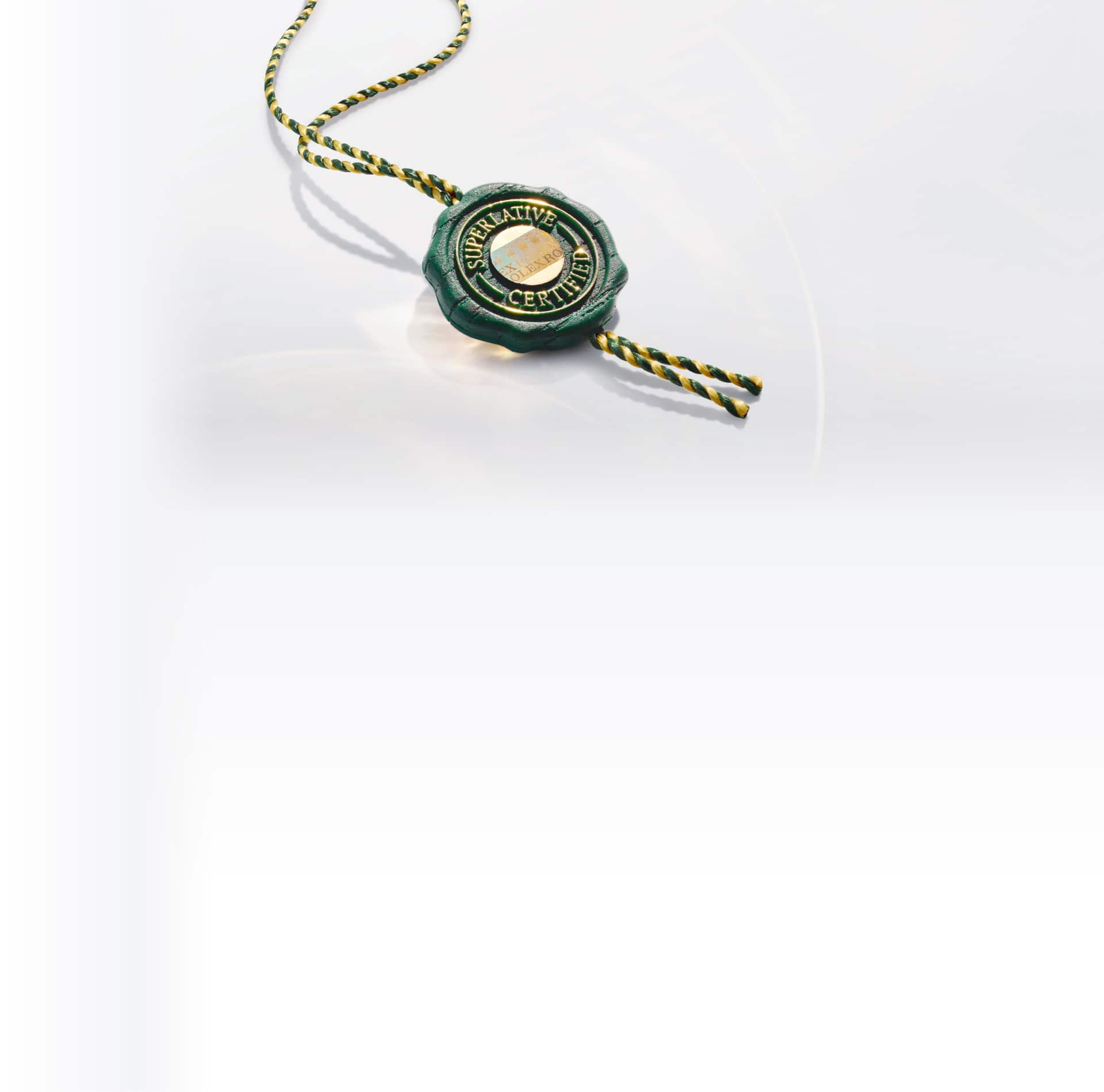
Rolex’s expanded 2026 Superlative Chronometer programme is useful because it names its performance pillars separately. Precision, waterproofness, self-winding and autonomy were already tested on the finished watch; resistance to magnetism, reliability and sustainability were added as further criteria. The structure matters: autonomy is not presented as a substitute for precision.
Rolex states that its finished Superlative Chronometer watches are tested to a tolerated rate deviation of -2/+2 seconds per day. Its autonomy page separately says current movements provide between 55 and 72 hours of power reserve, depending on the calibre. One figure tells you about timekeeping rate; the other tells you how long the watch keeps running when it is not worn.
Independent Testing Uses the Same Logic
METAS describes Master Chronometer certification as covering water resistance, chronometric performance, resistance to magnetic fields and power reserve. Again, those are distinct tests. A watch can meet its stated reserve while showing a rate problem, or keep excellent time while offering a comparatively short reserve.
This is why spec-sheet shopping can mislead. A larger barrel, a more efficient escapement or a lower frequency may help extend running time, but the resulting movement still needs sound regulation and stable behaviour across positions, temperatures and states of wind. Hours cannot be converted into seconds per day.
What Collectors Should Ask Instead
- Does the reserve fit the rotation? A watch that survives a weekend may reduce Monday-morning resetting.
- Who measured the rate? Distinguish movement-only certification from finished-watch testing and from a brand’s normal-use guidance.
- At what state of wind? Mechanical rate can change as available torque falls.
- Is magnetism controlled? A long reserve is little comfort if the watch has been magnetised in daily life.
- What does the manufacturer actually guarantee? Read the exact test scope instead of treating “chronometer” as a universal number.
The Ownership Read
For a one-watch owner, reserve is mainly convenience. For a rotation collector, it determines whether a watch is still running when it returns to the wrist. Accuracy is a separate question about trust in the displayed time. The best specification is not automatically the largest number; it is the combination that matches how the watch will be worn.



Loading comments...